
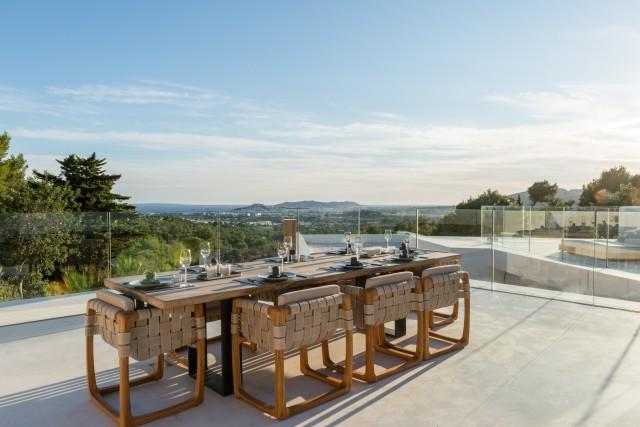
- 6 Beds
- 4 Baths
- 600 m² Built
- 1,239 m²
IBOSER4019 / Can Furnet
Contemporary new sea view villa for sale in Can Furnet, Ibiza.
5,200,000 €
IBOSER4019 / Can Furnet
5,200,000 €


IBOSER4010 / Roca Llisa
P.O.A


IBOSER5010BPO / Santa Gertrudis
5,900,000 €
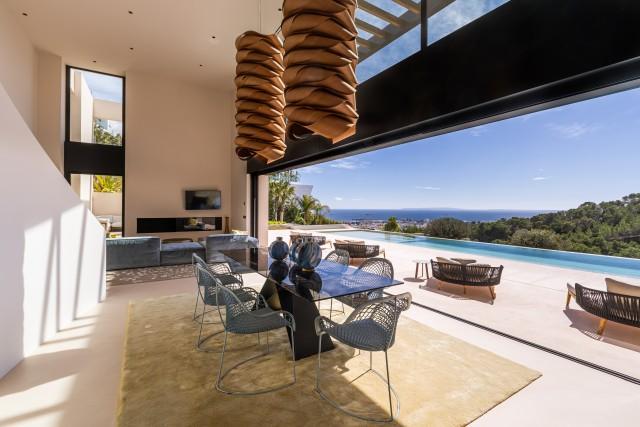
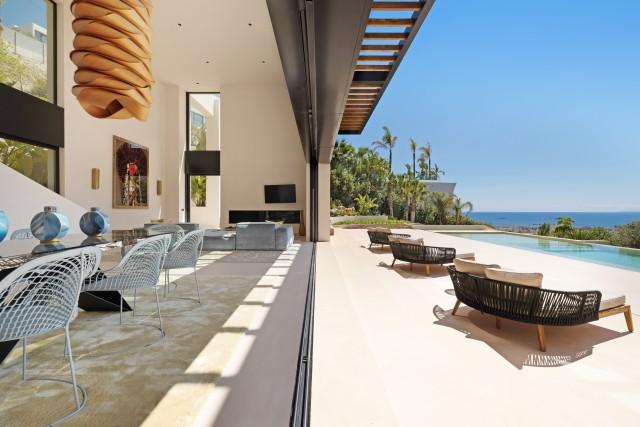
IBOEVA4023BPO / Ibiza Town
6,900,000 €
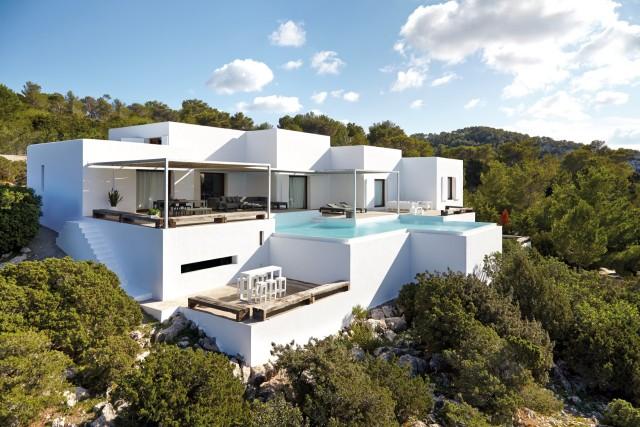
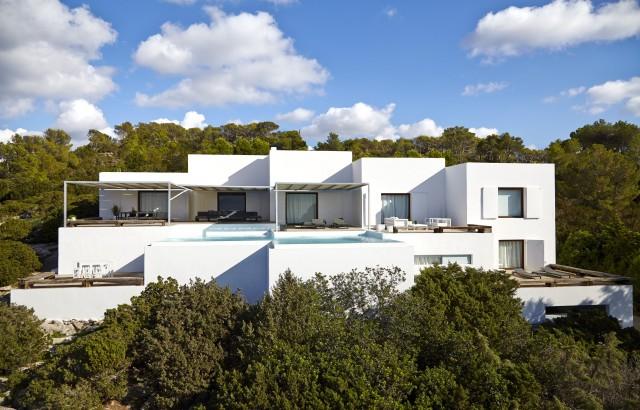
IBOSJU4021 / San Miguel de Balansat
6,600,000 €


IBOSJO4018BPO / Sant Josep de sa Talaia
2,500,000 €


IBOEVA1021 / Marina Botafoch
1,190,000 €


IBOSER1002bBPO / Santa Eulalia del Rio
895,000 €


IBOSER1002aBPO / Santa Eulalia del Rio
585,000 €


IBOEVA1014f / Marina Botafoch
P.O.A


IBOEVA1014e / Marina Botafoch
P.O.A


IBOEVA1014d / Marina Botafoch
P.O.A
IBOSER4019 / Can Furnet
5,200,000 €
IBOSER4010 / Roca Llisa
P.O.A
IBOEVA4023BPO / Ibiza Town
6,900,000 €
IBOSJU4021 / San Miguel de Balansat
6,600,000 €


IBOSAB5003 / Sant Rafael
3,500,000 €
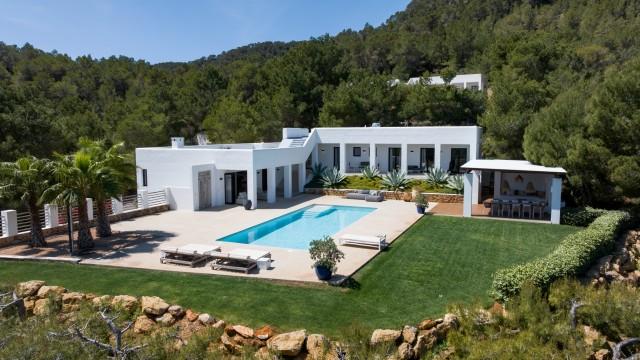

IBOSJO4016BPO / Sant Josep de sa Talaia
5,499,500 €
Ibiza covers just 572 square kilometres, yet its property market spans almost every price bracket in the Balearics. A renovated finca outside Sant Josep and a duplex penthouse on Marina Botafoch can sit five kilometres apart and differ in value by a factor of ten. Balearic Properties has worked as a real estate agent across Mallorca and Ibiza since 1999, and our Ibiza portfolio covers all five municipalities, from the UNESCO walls of Dalt Vila to the pine forests above Sant Joan de Labritja. This guide sets out where the island's value actually sits today, what each municipality offers a buyer in practice, and what foreign nationals need to arrange before they sign anything.
Ibiza's appeal to buyers isn't really about nightlife, whatever the island's reputation suggests. Roughly half of its land falls under some form of environmental protection, and building permits outside existing urban zones are notoriously hard to obtain. That scarcity is the single biggest driver of value here: there is no realistic way to flood the market with new supply, regardless of demand.
Demand itself has stayed firmly international. British, German, and Scandinavian buyers dominate enquiries at every price point we handle, drawn by direct flight connections to most of northern Europe and a buying process that, while bureaucratic, is well understood by lawyers on the island. Many buy with two purposes in mind: a home they will actually use for several months a year, and an asset they expect to hold its value, given how constrained supply is.
What differs sharply by area is the kind of value you're buying. Ibiza Town sells proximity and prestige. The west coast sells sunset views and seclusion. The interior sells privacy and land. These aren't interchangeable, which is why the municipality matters more here than almost anywhere else in Spain.
Buyers in Ibiza tend to gravitate to one of four categories, and which one suits you usually has more to do with how you plan to spend your time on the island than with budget alone, whether that's hosting guests through August or disappearing somewhere quiet for a few months a year.
Villas make up most of the high end of Ibiza's market, from architect-built contemporary homes with disappearing glass walls to the white, low-slung Ibicenco style the island is known for. Expect a private pool as standard above roughly €2 million, along with mature gardens and, increasingly, a tourist rental licence already in place. Plot size varies enormously: a villa in Roca Llisa might sit on 1,500 square metres, while one in the hills above Sant Josep can come with several hectares.
Fincas are working farmhouses at heart, built from sandstone with sabina wood beams, often two or three centuries old. The best examples have been extended rather than rebuilt, keeping thick walls and small original windows alongside a new kitchen or pool. They sit almost exclusively in the interior, around Santa Gertrudis, San Carlos, and the hills of Sant Joan de Labritja, and buyers choosing one are usually after land and distance from other people rather than sea views.
Apartments and penthouses cluster around Ibiza Town, Marina Botafoch, and Talamanca, where lock-up-and-leave convenience matters more than acreage. A penthouse with a roof terrace and harbour view in Marina Botafoch is one of the few Ibiza assets that genuinely competes for buyers with central Palma or southern Mallorca, and rental demand here barely dips outside peak season.
New developments have grown fastest around Santa Eulària and the area near Cala de Bou, where buyers want contemporary specification, a guarantee period, and nothing to renovate from abroad. Many are sold with a tourist rental licence already secured, which removes one of the more time-consuming parts of the post-purchase process for owners planning to let the property.
Ibiza is divided into five municipalities, and each has a genuinely different price level and character. Our wider area guide covers neighbourhoods across both islands in more depth than fits here. Exact pricing for each municipality is set out in the table further down this page.
Vila d'Eivissa, known to almost everyone simply as Ibiza Town, holds the island's highest property values. Dalt Vila, the walled old town and a UNESCO World Heritage Site, commands a premium for its history and views alone. Marina Botafoch and Talamanca are the modern counterpart: glass-fronted apartments, superyacht moorings, and a short walk to restaurants that stay open well past midnight.
Sant Josep de Sa Talaia covers the entire south and southwest of the island, including Es Cubells, Cala Jondal, and the beaches that put Ibiza's sunsets on postcards: Cala Bassa, Cala Comte, and Cala d'Hort, facing the rock of Es Vedrà. It's the largest municipality by land area and the most varied, running from beachfront villas to inland fincas a short drive from Sant Josep village itself.
Santa Eulària des Riu stretches along the east coast and is the most family-oriented of the five, with international schools, a working marina, and a noticeably calmer pace than the west coast. Roca Llisa, Cap Martinet, and S'Argamassa are the addresses that come up most often among buyers looking for year-round comfort rather than a summer-only base.
Sant Antoni de Portmany is best known for its bay and its sunset bars, but the municipality also includes a quieter inland half and the beaches of Cala Salada and Cala Saladeta to the north of the town. It remains the most affordable of the five coastal municipalities, and the only one where prices have eased slightly over the past year rather than risen, worth knowing if you're comparing value rather than chasing the fastest growth rate.
Sant Joan de Labritja, in the north, is the least populated and most rural of Ibiza's municipalities. Portinatx, Sant Miquel, and the inland countryside around them attract buyers who want genuine distance from everything the island is known for: no clubs, very little traffic, and long stretches where a finca's nearest neighbour is a field rather than another house. Reliable, up-to-date pricing data for this municipality is harder to come by given the lower volume of sales, so we'd always recommend comparing against recent transactions directly before setting a budget here.
Four of the five municipalities recorded year-on-year price growth in the high single digits as of the most recent data available, a sharper rise than the Spanish mainland average and broadly in line with the rest of the Balearics. Sant Antoni de Portmany is the exception, easing back slightly after several years of strong gains.
| Municipality | Average price per m² | Year-on-year change |
|---|---|---|
| Vila d'Eivissa (Ibiza Town) | €7,041 | +6.3% |
| Sant Josep de Sa Talaia | €7,585 | +7.3% |
| Santa Eulària des Riu | €7,835 | +7.6% |
| Sant Antoni de Portmany | €6,654 | -0.7% |
| Sant Joan de Labritja | Insufficient sales volume for a reliable average | Not available |
Source: Idealista price reports, April and May 2026 (Santa Eulària des Riu: October 2025, the most recent figure published for that municipality).
None of these figures distinguish between a renovated villa and one that needs full work, so they're a starting point for budgeting rather than a substitute for a proper valuation on a specific property. We re-check Idealista's published reports before every update of this guide. If you're weighing Mallorca alongside Ibiza, the same level of detail is available across our Mallorca property listings.
Buying property in Spain as a non-resident follows a fixed sequence regardless of price point, and skipping a step tends to cost more than it saves. Before completion, you'll need:
Tax depends on whether the property is new or resold. Resale properties, which make up most of the luxury market, fall under the Balearic Islands' Impuesto de Transmisiones Patrimoniales (ITP), applied by the Balearic Tax Agency on a progressive scale rather than a flat rate. New-build purchases instead carry IVA plus stamp duty.
| Cost | Typical range |
|---|---|
| ITP, resale property (progressive) | 8% to 13% |
| IVA plus AJD, new-build property | approx. 11.5% to 12% |
| Notary and Land Registry | approx. 0.1% to 0.5% |
| Independent legal fees | approx. 1% |
The ITP rate itself is stepped rather than flat, which is where many buyers get caught out:
| Portion of property value | ITP rate |
|---|---|
| Up to €400,000 | 8% |
| €400,000 to €600,000 | 9% |
| €600,000 to €1,000,000 | 10% |
| €1,000,000 to €2,000,000 | 12% |
| Above €2,000,000 | 13% |
A €3 million villa, for example, sits mostly in the upper brackets rather than paying a single rate on the whole price, so the effective rate on a luxury purchase usually lands somewhere between 10 and 12%, not the 8% headline figure many buyers expect.
Once you own the property, non-resident landlords renting it out are taxed at 19% on net rental income if resident in the EU, EEA, or Norway and Iceland, or 24% on gross income otherwise, under Spain's non-resident income tax (IRNR). Wealth tax applies above a general exemption of €700,000 for non-residents, though the rules here have shifted following recent court rulings, so anyone buying at this level should get current advice from a tax specialist before completion rather than relying on guidance that may already be out of date.


