
Venta de propiedades Oeste de Mallorca
Las principales zonas para comprar una propiedad en el oeste de Mallorca
Ver todas las novedadesLas mejores zonas para comprar una propiedad en el oeste de Mallorca
El oeste de Mallorca está dominado por la Serra de Tramuntana, una cordillera Patrimonio de la Humanidad de la UNESCO. Comprar aquí significa pueblos de montaña y algunos puntos de costa, cada uno con su guía: Sóller, Puerto de Sóller, Valldemossa y Deià.
The most important areas in west of Mallorca where to buy a property


Propiedades actuales en el oeste de Mallorca
Debajo se muestra una selección de las propiedades actualmente en venta en el oeste. Abra cualquier anuncio para ver fotos, detalles y ubicación, o utilice los filtros para acotar por precio, tipo y dormitorios. Buscar por zona: Sóller, Puerto de Sóller, Valldemossa, Deià.
Las propiedades más recientes en Oeste de Mallorca


- 4 Dormitorios
- 4 Baños
- 345 m² Construido
- 1.158 m²
SWONSP40982 / Santa Ponsa
Villa recién construida con vistas a la montaña en venta en Santa Ponsa, Mallorca
3.000.000 €
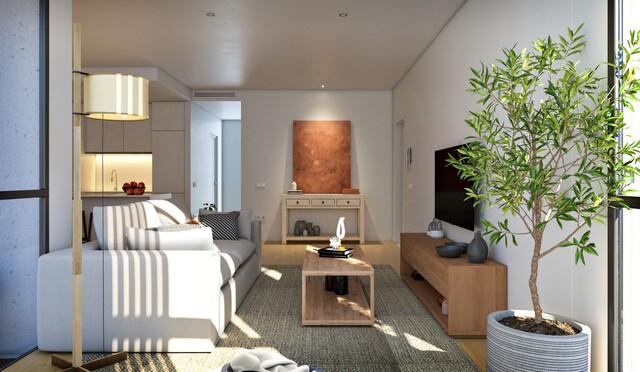
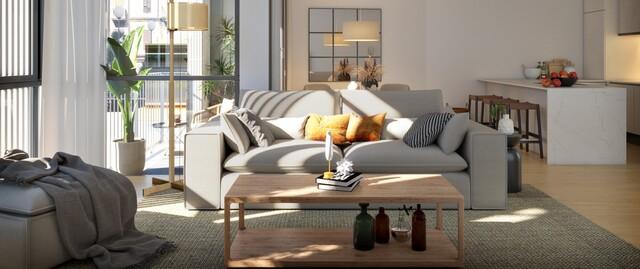
- 2 Dormitorios
- 2 Baños
- 84 m² Construido
- 0 m²
SWOPAL10765b / Palma de Mallorca
Nuevo apartamento con parking privado a la venta en Palma, Mallorca
780.000 €
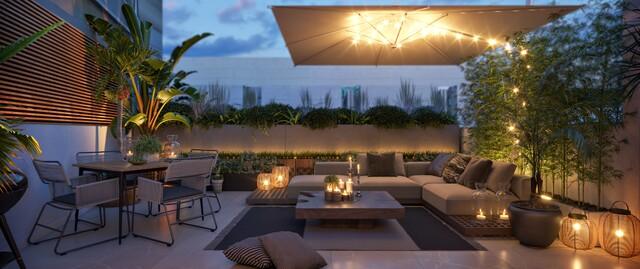
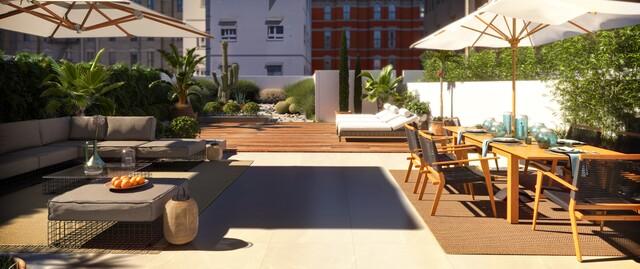
- 2 Dormitorios
- 2 Baños
- 82 m² Construido
- 0 m²
SWOPAL10765c / Palma de Mallorca
Ático de lujo con terraza-solarium a la venta en Palma, Mallorca
1.190.000 €
- 2 Dormitorios
- 2 Baños
- 87 m² Construido
- 0 m²
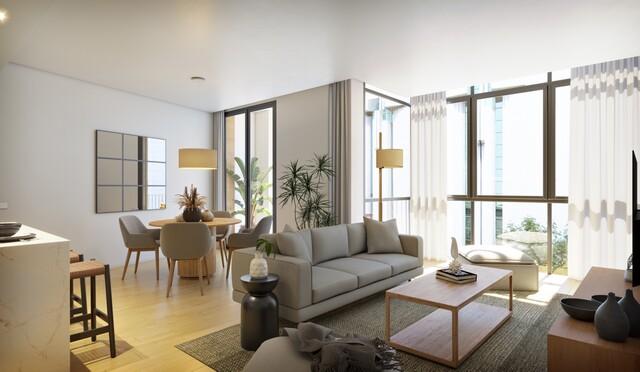
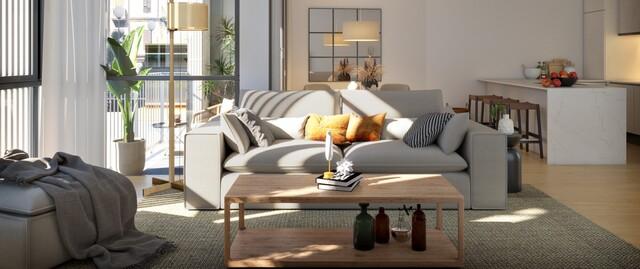
SWOPAL10765a / Palma de Mallorca
Apartamento moderno con terraza en zona exclusiva en Palma, Mallorca
765.000 €
- 6 Dormitorios
- 6 Baños
- 465 m² Construido
- 1.615 m²
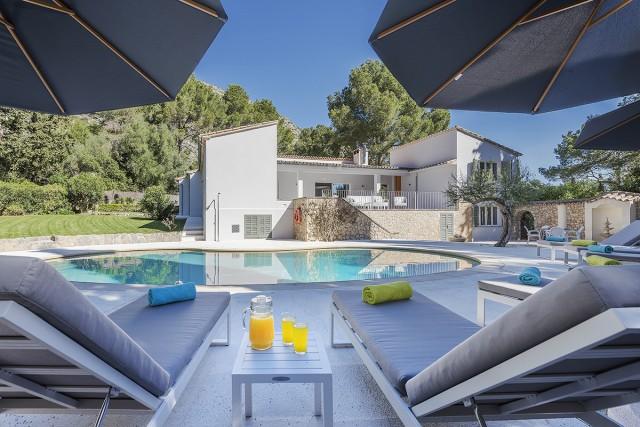
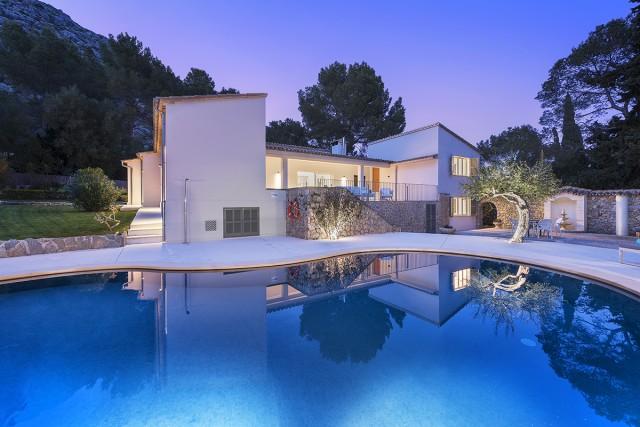
POL40974ETV / Pollença
Villa con apartamento en venta en Pollensa, norte de Mallorca
4.250.000 €
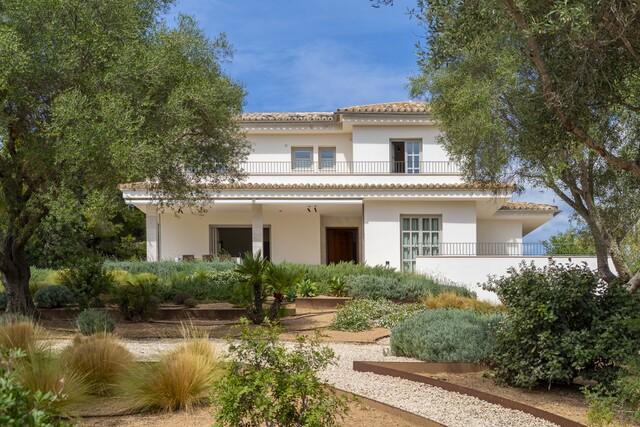
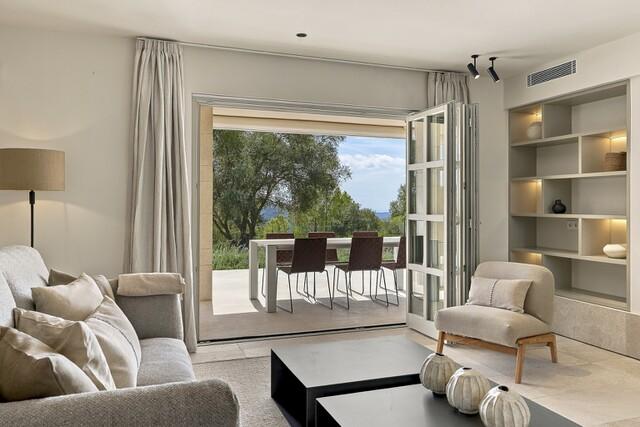
- 4 Dormitorios
- 3 Baños
- 209 m² Construido
- 4.270 m²
SWOCAL41232 / Son Font
Villa reformada con vistas a la montaña a la venta en Son Font, Mallorca
2.375.000 €
Propiedades en venta en el oeste de Mallorca
El oeste es el lado de montaña de la isla. Los pueblos se sitúan entre la Serra de Tramuntana y el mar, las carreteras son sinuosas y las distancias tardan más de lo que parece en el mapa, así que conviene visitar la zona concreta antes de decidir. Qué pueblo le conviene determina el tipo de propiedad y el modo de vida.
Valldemossa y Deià
Valldemossa es un pueblo de montaña conocido por su Cartuja, con casas de piedra en el centro y casas de campo alrededor. Deià es un pequeño pueblo en el lado costero de la sierra, asociado desde hace tiempo a artistas y escritores. La oferta en ambos es limitada, y la compra típica es una casa de piedra o un chalet con vistas. Vea todas las propiedades en Valldemossa y Deià.
Sóller y Puerto de Sóller
Sóller es una ciudad en un valle de naranjos y limoneros, con un centro animado y casas de pueblo y propiedades de campo alrededor. Puerto de Sóller es el lado del mar, una bahía con paseo marítimo y puerto deportivo, donde los apartamentos y chalets son la opción principal. Consulte las propiedades en Sóller y Puerto de Sóller.
Tipos de propiedad en el oeste
- Casas de pueblo de piedra en los pueblos; vea las casas de pueblo en Mallorca.
- Casas de campo y fincas en las montañas y valles; vea las casas de campo.
- Chalets y apartamentos, sobre todo alrededor de Puerto de Sóller.
Antes de comprar
- La Serra de Tramuntana es un paisaje protegido, así que pregunte a su abogado qué restricciones urbanísticas afectan a la propiedad concreta antes de comprometerse.
- Los compradores extranjeros necesitan el NIE (número de identificación de extranjero) para formalizar la compra.
- Decida si la propiedad es para uso propio o para alquilar, ya que eso limita qué propiedades son adecuadas.
Cuéntenos qué busca y le enviaremos una selección: contacte con nosotros.
Preguntas frecuentes sobre comprar en el oeste de Mallorca
¿Qué zonas forman el oeste de Mallorca?
En esta guía el oeste comprende los pueblos y ciudades de la Serra de Tramuntana: Valldemossa, Deià, Sóller y Puerto de Sóller, además de Banyalbufar y Esporles, cercanos.
¿Qué tipos de propiedad son más habituales en el oeste?
Casas de pueblo de piedra en los pueblos, casas de campo y fincas en las montañas y valles, y chalets y apartamentos alrededor de Puerto de Sóller.
¿Cuántos impuestos se pagan al comprar una vivienda de segunda mano en Baleares?
La vivienda de segunda mano tributa por el Impuesto de Transmisiones Patrimoniales (ITP), que en Baleares es del 8 % hasta 400.000 €, 9 % hasta 600.000 €, 10 % hasta 1.000.000 €, 12 % hasta 2.000.000 € y 13 % a partir de esa cifra. Fuente: Guía Fiscal.
¿Y si es obra nueva?
La obra nueva tributa por IVA (10 %) más el Impuesto de Actos Jurídicos Documentados (AJD) en lugar del ITP. Pida a su abogado que confirme las cifras exactas de su compra.
¿Puedo alquilar la propiedad a turistas?
No de forma automática. Según el Decreto-ley 4/2025, de abril de 2025, las nuevas plazas de alquiler turístico en Baleares solo se permiten si se da de baja el mismo número de plazas, y quedan prohibidas en edificios plurifamiliares. Compruebe la situación de la licencia antes de comprar. Fuente: Govern de les Illes Balears. Vea también nuestras propiedades con licencia vacacional.
Me interesa saber másGuías relacionadas
Si aún está decidiendo dónde comprar, compare el oeste con el suroeste y el centro de Mallorca.
CerrarManténgase al día con las novedades del Oeste de Mallorca


