 Deutsch
 English
 Español

Living in Palma Old Town
Palma Old Town photographs like a place built for a week’s holiday. La Seu’s Gothic spires catch the evening light. Honey-stone lanes fan out from Plaça Major, and a Michelin star sits tucked behind the cathedral. Living here is different. Since 2018, Palma City Council has barred new tourist rental licences in every apartment building in the city. Spain’s Supreme Court upheld that ban in 2023. Old Town flats stay in the hands of people who actually live in them, not a rotating cast of weekend guests. That single rule shapes daily life more than any landmark: quiet Sunday mornings on Carrer de la Portella, a baker who knows your order, neighbours on the stairwell instead of suitcases.
Why live here
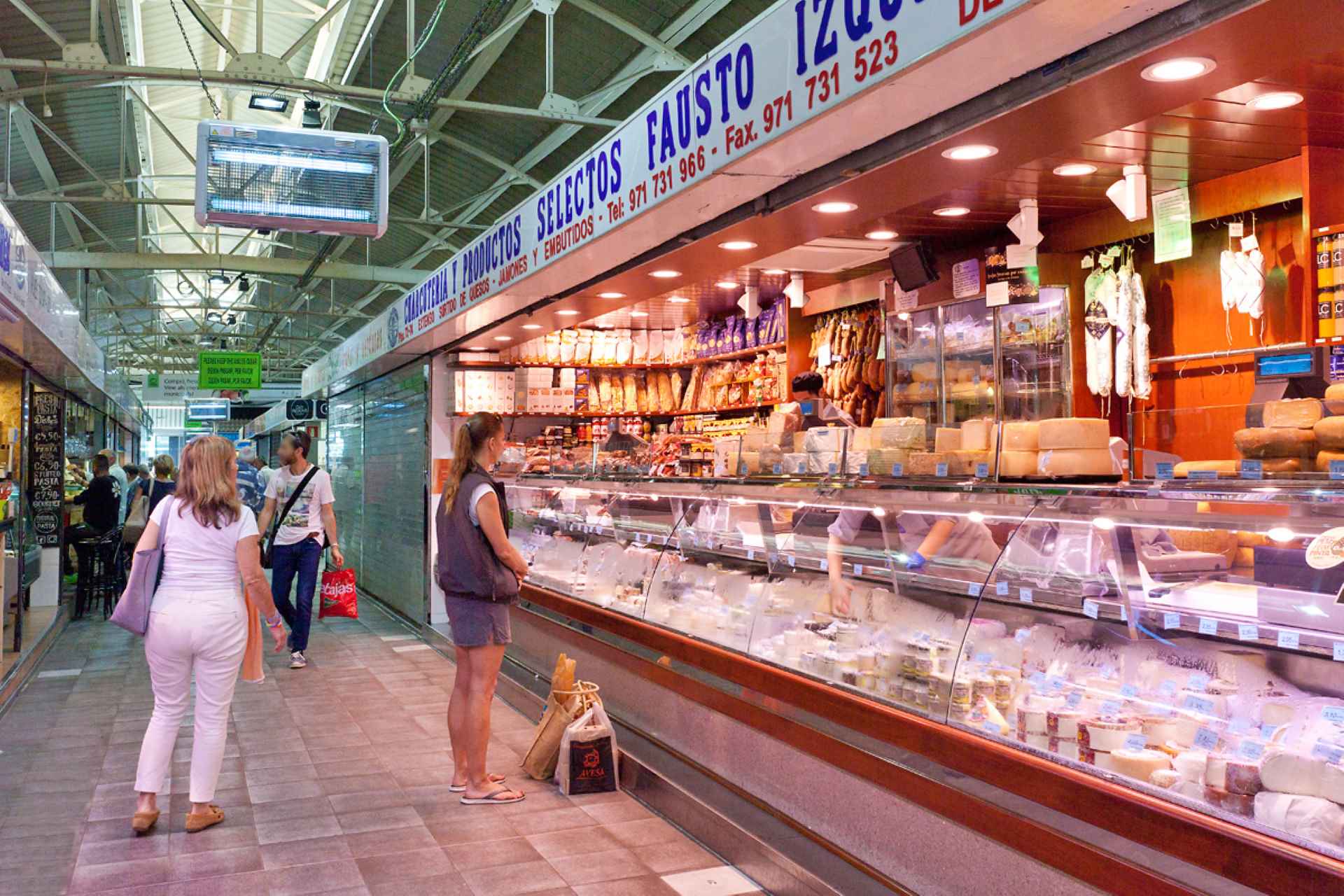
Few places on the island put a resident within walking distance of quite so much. The district is known in Spanish as Casco Antiguo. La Seu Cathedral sits about ten minutes from most front doors on foot; its construction began in 1229 and it wasn’t consecrated until 1601. Passeig del Born is just as close for shopping, and so is Mercat de l’Olivar for the weekly food shop. Ca’n Pere Antoni, Palma’s nearest city beach, is a short walk further on. Palma Airport sits roughly 8 kilometres out, a 15 to 20 minute taxi ride or a direct A1 bus into Plaça Espanya. That keeps international connections genuinely close, not just theoretically close.
The Old Town’s real appeal for a resident, rather than a visitor passing through, is that the density which makes it walkable also makes it social. Neighbours run into each other at the market or on the Born, not only at organised expat events. Es Baluard, the city’s contemporary art museum, occupies a restored 16th-century sea bastion. Every September, the Nit de l’Art turns the same streets residents live on into a free, open-air gallery, with dozens of galleries and museums open until close to midnight. It’s a rare combination: genuine, working history alongside a live cultural calendar, in a district small enough to cross on foot in half an hour.
Lifestyle
Beaches
The Old Town itself has no beach within its walls, which is worth being upfront about. What it has instead is Ca’n Pere Antoni, Palma’s closest city beach, roughly a 10 to 15 minute walk past the Cathedral and through Parc de la Mar. It’s a 750-metre stretch of fine sand with a Blue Flag award, showers, toilets and summer lifeguard cover. A cycling and running promenade runs behind it for kilometres along the bay. Further along the same coastline, Portixol and Ciutat Jardí offer a quieter, more residential seafront for anyone who finds the closer stretch too busy in July and August.
Restaurants and Cafés
Food here runs from market stalls to Michelin stars within a few streets of each other. Mercat de l’Olivar, trading since 1951, anchors daily shopping and a reliable lunch, with counters for fish, Balearic cheese and cured meats alongside small bars serving them on the spot. DINS Santi Taura, a short walk from the Cathedral, holds a Michelin star for reworked traditional Mallorcan dishes. Marc Fosh carries the same distinction nearby. For something more local in rhythm, Sa Gerreria hosts La Ruta Martiana every Tuesday evening, an informal tapas route through several neighbourhood bars that draws Palma residents more than tour groups.
Culture and Heritage
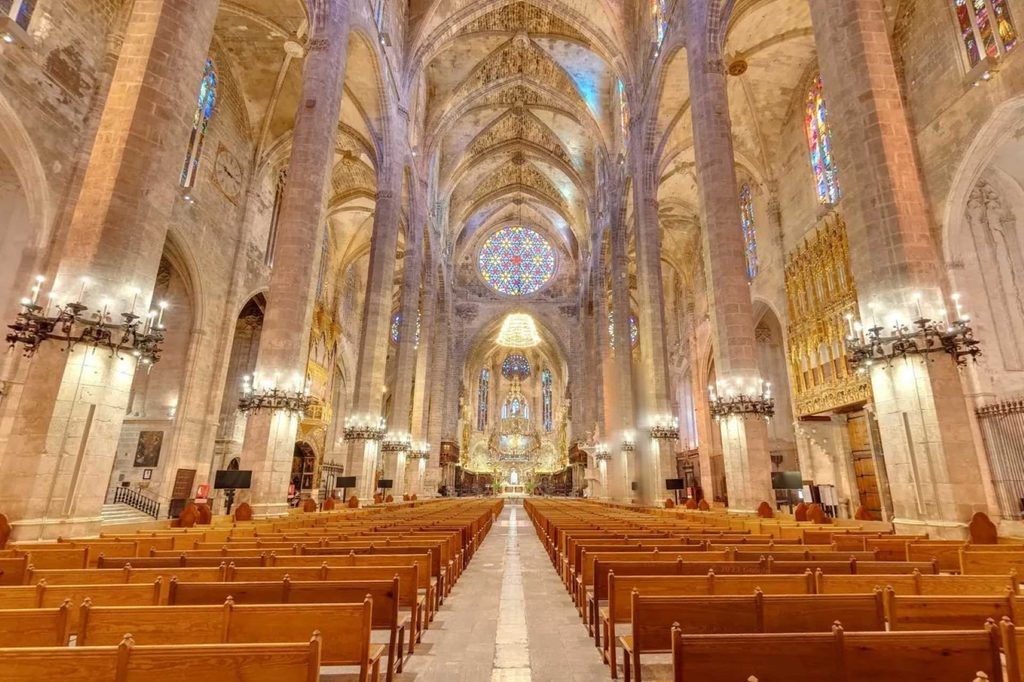
The Old Town’s cultural weight starts with La Seu Cathedral, begun in 1229 on the site of the city’s former mosque and not fully consecrated until 1601. Antoni Gaudí led an interior restoration in the early 20th century, and Mallorcan artist Miquel Barceló redesigned one of its chapels in 2007. Facing the cathedral across the square, the Royal Palace of La Almudaina blends Moorish and Gothic construction and remains an official royal residence. The Banys Àrabs, a small surviving bathhouse from the city’s Moorish period, sits in a quiet garden nearby.
For contemporary art, Es Baluard occupies a restored 16th-century bastion and holds work by Miró, Picasso and Barceló. The surrounding Puig de Sant Pere and La Llotja neighbourhoods have built a genuine gallery scene around it, on streets like Carrer de Sant Feliu. Every September, that same scene goes public for Nit de l’Art, when Palma’s galleries and museums open free until around midnight.
Schools
There’s no international school inside the Old Town itself, which is worth knowing before house-hunting with children. Colegio Luis Vives, a Spanish-curriculum school, sits right in the city centre. Queen’s College, a British-curriculum school founded in 1977, is a short drive away near central Palma. Most of the island’s other international options cluster to the southwest of the city instead. That includes Bellver International College in Cala Major, founded in 1950, and the Lycée Français International de Palma. Either way, it means a daily commute of 15 to 25 minutes by car or school bus rather than a walk. Families set on a Spanish or Catalan-medium education on foot are better served here than families who want a British or IB curriculum.
Outdoor Activities
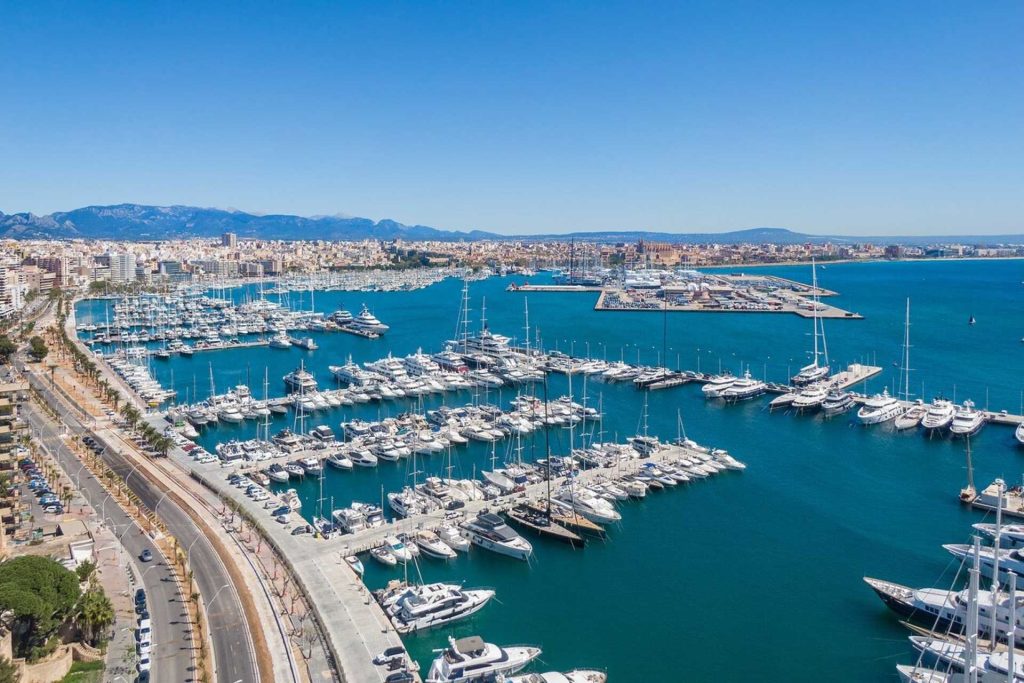
The Old Town’s outdoor life runs along the water rather than through green space. Real Club Náutico de Palma, founded in 1948, is moored directly opposite the Cathedral. It’s the base for the Copa del Rey MAPFRE regatta each July or August and the PalmaVela in spring. Its promenade, though, is open to anyone for a walk regardless of membership. The Passeig Marítim running along the bay is Palma’s main cycling and running route, well used by both residents and the island’s road-cycling community. The Old Town’s own cobbled lanes, though, are built for walking rather than riding. Parc de la Mar, the lake and gardens directly below the Cathedral walls, is the closest thing the district has to a park, and it hosts open-air events through the summer.
Community and International Life
It’s worth separating the Old Town’s community from its immediate neighbour. Santa Catalina, just outside the old city walls, has become Palma’s real hub for younger digital nomads and remote workers. It has its own food market and a dense café and co-working scene. The Old Town itself skews differently: a long-settled Mallorcan population living alongside international second-home owners and retirees, many from Germany, the UK and Scandinavia. A smaller but genuine cluster of art-world residents lives around Puig de Sant Pere and La Llotja too. Palma as a whole has a well-established British expat community and hosts a US consulate.
Additionally, Spain’s digital nomad visa, in place since 2023, has brought a newer wave of remote workers into the city as well. Social life here runs through the same channels as it does for any resident. There’s the market, the Tuesday tapas route through Sa Gerreria, and, once a year, the Nit de l’Art, an informal, citywide open house. Anyone weighing this against a slower, more coastal pace may also want our guide to Living in Puerto Pollensa.
Best Areas in Palma Old Town
Sa Calatrava
One of the Old Town’s oldest and quietest quarters, Sa Calatrava sits between the Cathedral and the sea. Its stone mansions and narrow lanes stay largely free of through traffic. The Banys Àrabs and the Convent of Santa Clara, where the resident nuns still sell homemade sweets, are both here. It suits residents who want a genuine ten-minute walk to La Seu without the evening noise of the Old Town’s livelier corners. It also sits among the closest quarters to Ca’n Pere Antoni beach.
Puig de Sant Pere
A former fishing and shipbuilding neighbourhood built against the old city walls, Puig de Sant Pere has become the centre of Palma’s contemporary art scene. Es Baluard anchors it, alongside a run of independent galleries along Carrer de Sant Feliu. Small hotels, restaurants and workshops sit alongside long-term residents in a district still shaped by its working-class history. It suits buyers who want the Old Town’s culture without its most touristic streets.
Sa Llotja
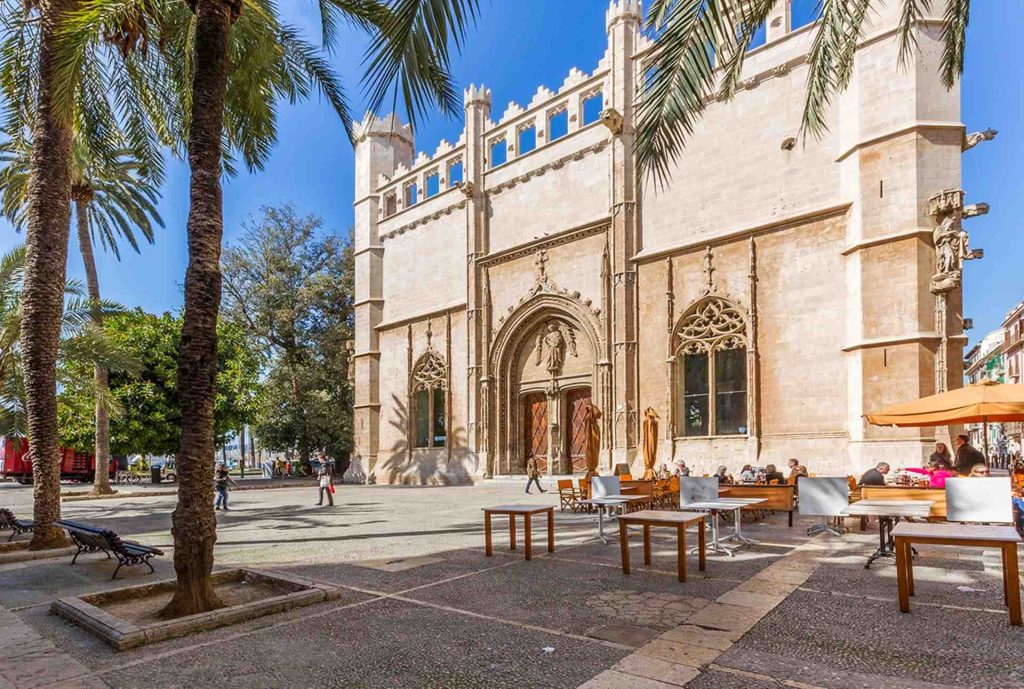
Named for the 15th-century merchants’ exchange at its centre, Sa Llotja is the Old Town’s liveliest quarter after dark, dense with tapas bars, seafood restaurants and a handful of late-night spots. Daytime life is calmer, built around small shops and the Passeig de Sagrera waterfront. It suits residents who want to be in the middle of things and don’t mind a livelier soundtrack on weekend nights.
Sa Gerreria
Once one of the Old Town’s more overlooked corners, Sa Gerreria has spent the past decade filling in with new restaurants, small squares and a mix of restored and still-unrenovated buildings. The Tuesday-night Ruta Martiana tapas crawl runs through here. It suits buyers drawn to a neighbourhood still visibly in transition, with a more local, less polished feel than La Llotja or Jaume III.
Jaume III and Passeig del Born
The Old Town’s grand boulevard, lined with international fashion houses, sits beside the more traditional Passeig del Born. Between them they form Palma’s equivalent of a high street: cosmopolitan, well-lit and busy with cafés built for people-watching. It suits residents who want ground-floor retail and restaurant life directly outside their door, and it sits closest to the Plaça d’Espanya transport hub for trips across the island.
Things to Know
The single most important practical fact for anyone considering the Old Town is the tourist rental rule. Palma has banned new short-term rental licences for apartments citywide since 2018, a decision the Spanish Supreme Court upheld in 2023. As of late 2025, the city has gone further and stopped issuing any new tourist rental licences at all, even for detached houses. The total is capped at the roughly 639 permits already active, and those will expire without renewal. In practice, this means an Old Town apartment is bought to live in, not to run as a short-term let. It also means the district’s daily rhythm is set by residents rather than weekly guest turnover.
Cruise-ship day-trippers and the peak May-to-September crowds around La Seu and Passeig del Born remain a real, seasonal fact of life, though. The Old Town is largely car-unfriendly by design. Streets are narrow, parking is scarce and expensive, and most residents walk, cycle or use the city bus network rather than drive. Many of its buildings carry heritage protection, which affects what renovation work is permitted, and it’s worth checking with the local administration before buying with major renovation plans in mind. The airport sits around 8 kilometres out, a 15 to 20 minute taxi ride, or a direct bus into Plaça Espanya.
Who is it for?
- Second-home owners: The combination of walkability, restaurants and culture in a small radius makes the Old Town an easy base for a few weeks a year, without needing a car.
- Retirees: The daily market, the pharmacy and a Sunday coffee all sit within walking distance, though narrow streets and older buildings without lifts are worth checking property by property.
- Investors: The 2018 apartment rental ban, upheld in 2023, and the city’s move to stop issuing any new tourist licences from late 2025, mean this isn’t a short-term-let market. Long-term residential rental demand is real given the district’s popularity, but it should be the basis for any return calculation, not holiday-let income.
- Sailing and nautical buyers: Real Club Náutico de Palma sits directly on the Old Town’s edge, opposite the Cathedral, putting a working marina and a regatta calendar within walking distance of home.
- Art and culture buyers: Es Baluard, the Puig de Sant Pere and La Llotja gallery scene, and the annual Nit de l’Art all point the same way. This is one of the few Mallorcan neighbourhoods with a genuine, resident art community alongside the historic architecture.
- Families: Workable for families set on a Spanish or Catalan-medium education near Colegio Luis Vives. Less straightforward for those wanting a British or IB curriculum, which generally means a 15 to 25 minute commute southwest of the city.
Thinking of Buying?
Heritage protection and a tight, historic footprint keep genuinely renovated Old Town stock limited, and demand from both Mallorcan and international buyers has stayed consistent regardless of season. For a look at what’s currently available, our Palma Old Town property listings are a good starting point, and our team is on hand to talk through what a specific building or street actually means for day-to-day life here.
FAQs
Most residents don’t use one day to day. The district is compact and walkable, public buses connect it to the rest of Palma, and parking is limited and often expensive. A car becomes more useful for trips beyond the city, to the north coast or the Tramuntana mountains, than for daily life inside the walls.
Not directly. Colegio Luis Vives offers a Spanish curriculum in the city centre, and Queen’s College is a short drive from the Old Town. Most of the island’s British and IB-curriculum international schools are based southwest of Palma instead, in areas like Cala Major and Portals Nous, a 15 to 25 minute commute.
Palma’s public hospitals and the main private clinics serving the international community are all a short drive from the Old Town, and several private practices in the centre have English-speaking doctors. As with anywhere in Spain, non-residents should sort out either public healthcare registration or private insurance as part of any move. It’s worth getting current, specific advice rather than relying on general guidance, since coverage rules can change.
It works for some families and less well for others. There’s no real green space or private outdoor area with most apartments, and school options directly on foot are limited to Spanish-medium education. Families who prioritise walkability, culture and being close to grandparents visiting by plane tend to do well here. Families set on a big garden or a British-curriculum school within walking distance usually look elsewhere in Palma or along the coast.