 Deutsch
 English
 Español


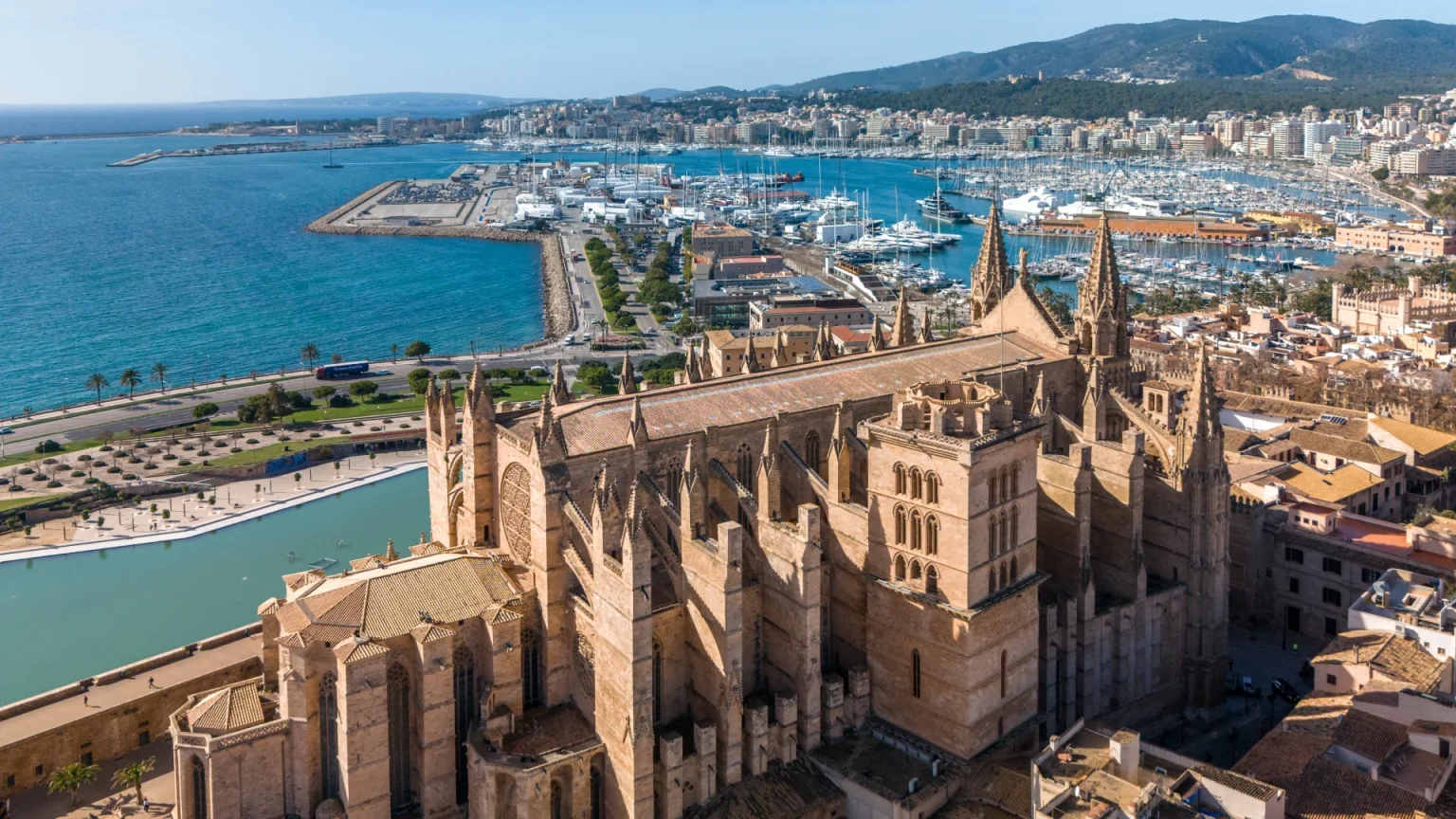
Living in Palma de Mallorca: Neighbourhoods, Lifestyle and Property
Palma is a genuine Mediterranean capital rather than simply a gateway to Mallorca. Its historic centre, marina, cultural life, restaurants, schools and international connections make it one of the island’s strongest choices for permanent living as well as a second home.
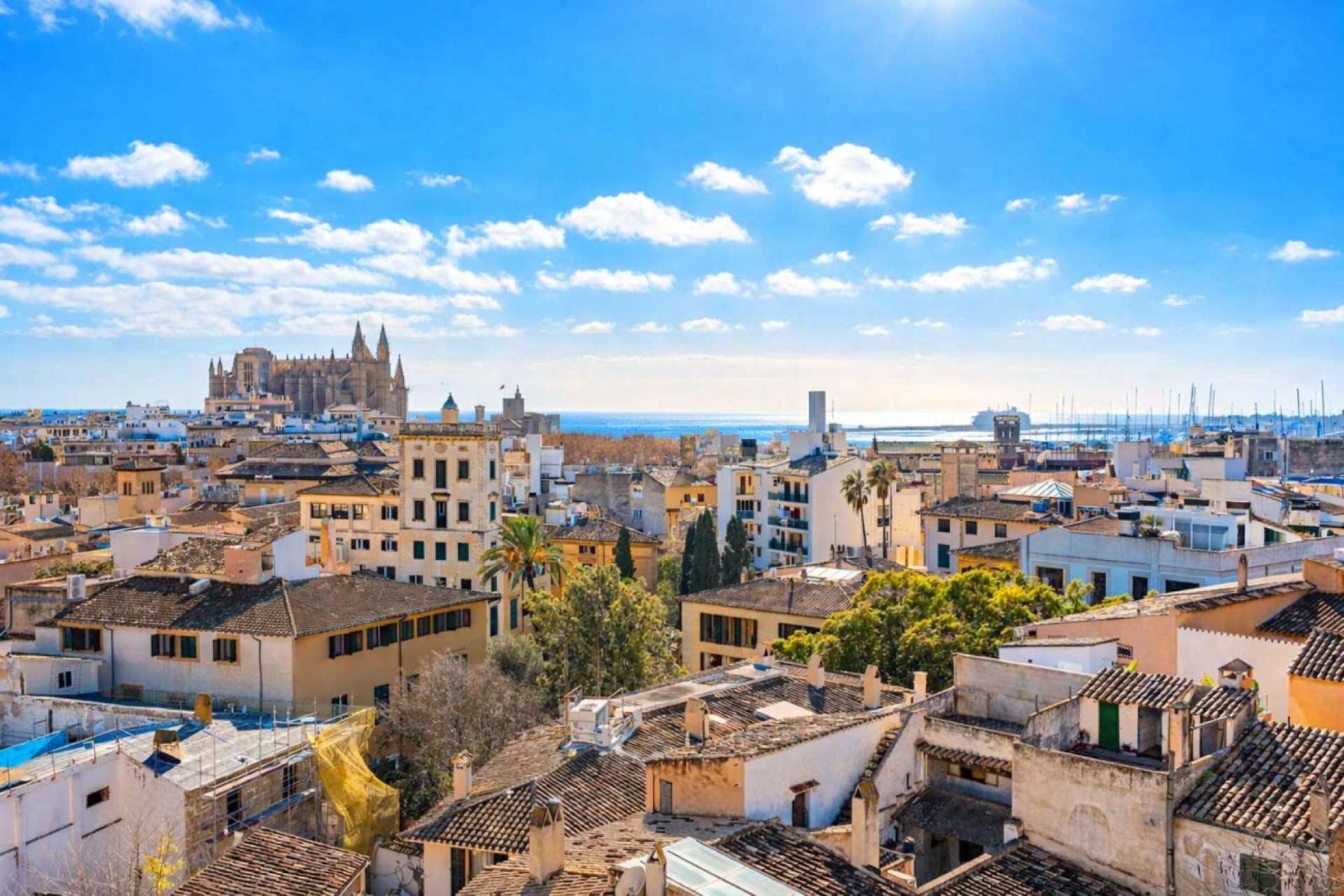
Palma Old Town
The historic centre combines medieval streets, Renaissance courtyards, the cathedral and some of Mallorca’s most distinctive residential architecture. Restored palaces and apartments sit alongside galleries, restaurants and shops. Read our Living in Palma Old Town guide.
Santa Catalina, Son Espanyolet and the city centre
Santa Catalina is known for its market, restaurants and urban energy, while neighbouring Son Espanyolet offers a more residential feel. Central districts appeal to buyers who want to walk to work, shops and cultural venues rather than depend on a car.
Portixol, El Molinar and the waterfront
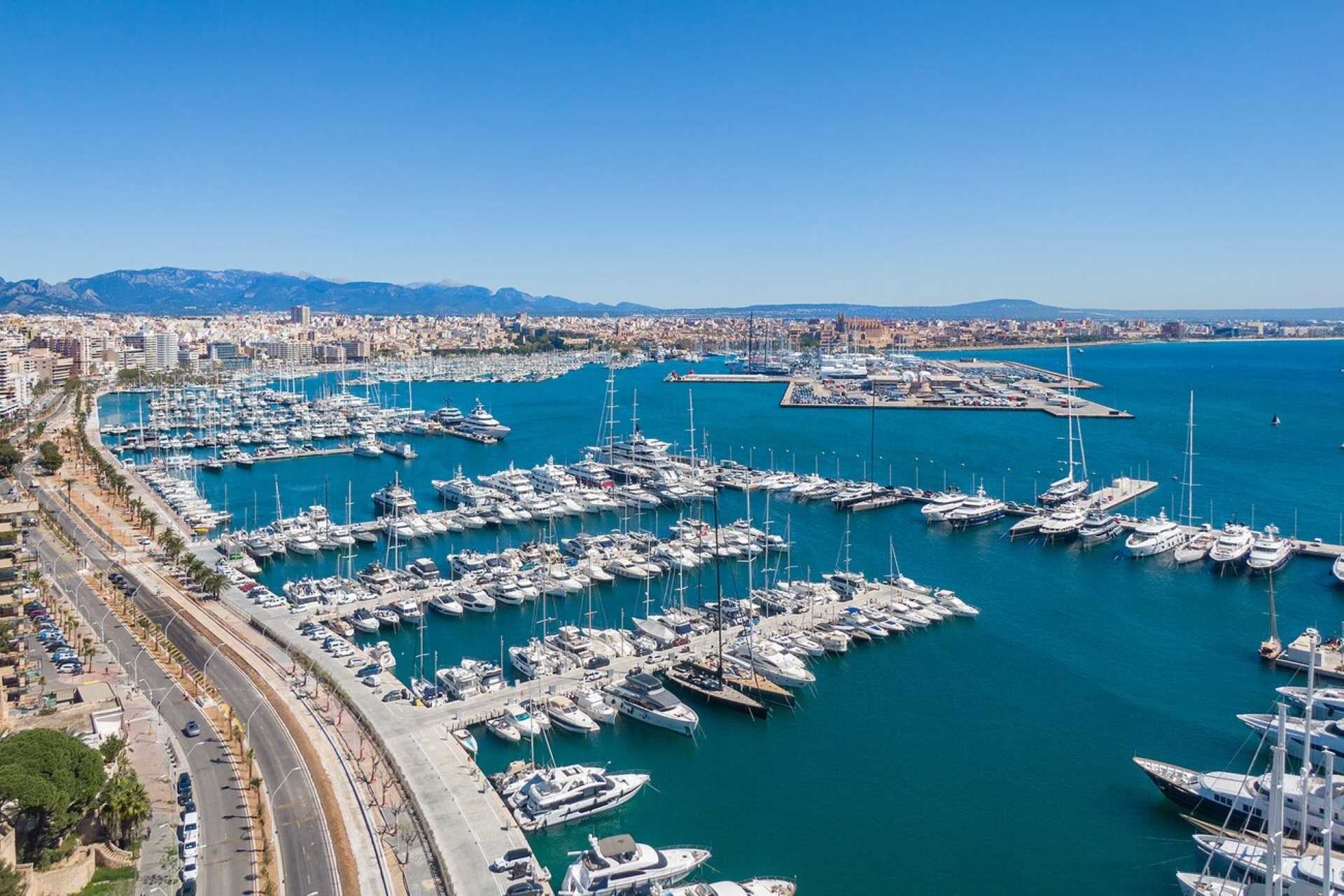
East of the centre, Portixol and El Molinar combine a seafront promenade with easy cycling and walking access into Palma. Waterfront homes are limited and consequently sought after.
Son Vida, Génova and the hills above Palma
For buyers who want more space and privacy without leaving the city, Son Vida is Palma’s established luxury villa district. Génova has a more village-like character, while elevated locations can provide views across Palma Bay.
Iris’s Expert View
In Palma, Iris recommends choosing the neighbourhood around the life you want to lead every day. Old Town and Santa Catalina reward buyers who value walking, restaurants and city culture; Portixol and El Molinar put the waterfront at the centre of daily life; and Son Vida suits buyers who want privacy, gardens and larger homes without giving up access to the city. Parking, lift access and building condition can be decisive in historic properties.
Iris Grünewald · Founder & CEO, Balearic Properties
Market Snapshot — September 2026
Palma: €4,842/m² asking price, +0.6% year on year. The city average hides a wide district spread: Centre €6,787/m², Ponent €5,791/m², Platja de Palma €4,677/m², Nord €3,978/m² and Llevant €3,791/m². Source: Fotocasa advertised-listing index, September 2026. Asking prices are not completed-sale prices.
Iris’s market note: Palma should never be valued as one market. A restored Old Town apartment, a waterfront home and a Son Vida villa respond to different buyer pools, so neighbourhood, building quality, parking, lift access and outdoor space matter more than the city-wide average.
Is Palma Good for Year-Round Living?
Yes. Palma has the island’s deepest year-round infrastructure: healthcare, international schools, business services, shopping, culture and transport. The airport is close enough to make frequent international travel practical.
Property in Palma
The market ranges from compact city apartments to historic noble-floor residences, renovated townhouses, waterfront homes and large villas in Son Vida. Building condition, lift access, parking and community rules are particularly important considerations in older city-centre properties.
Frequently Asked Questions
Which Palma neighbourhood is best without a car?
Old Town, Santa Catalina and central Palma are among the easiest places to live on foot. Portixol also works well for cycling and walking along the seafront.
Where should I look for a villa?
Son Vida, Génova and selected residential areas around Palma are stronger choices for detached homes, gardens and pools.


