 Deutsch
 English
 Español

Living in Palma de Mallorca: Area Guide
11 Mar 2026 | By Antonio Fuster
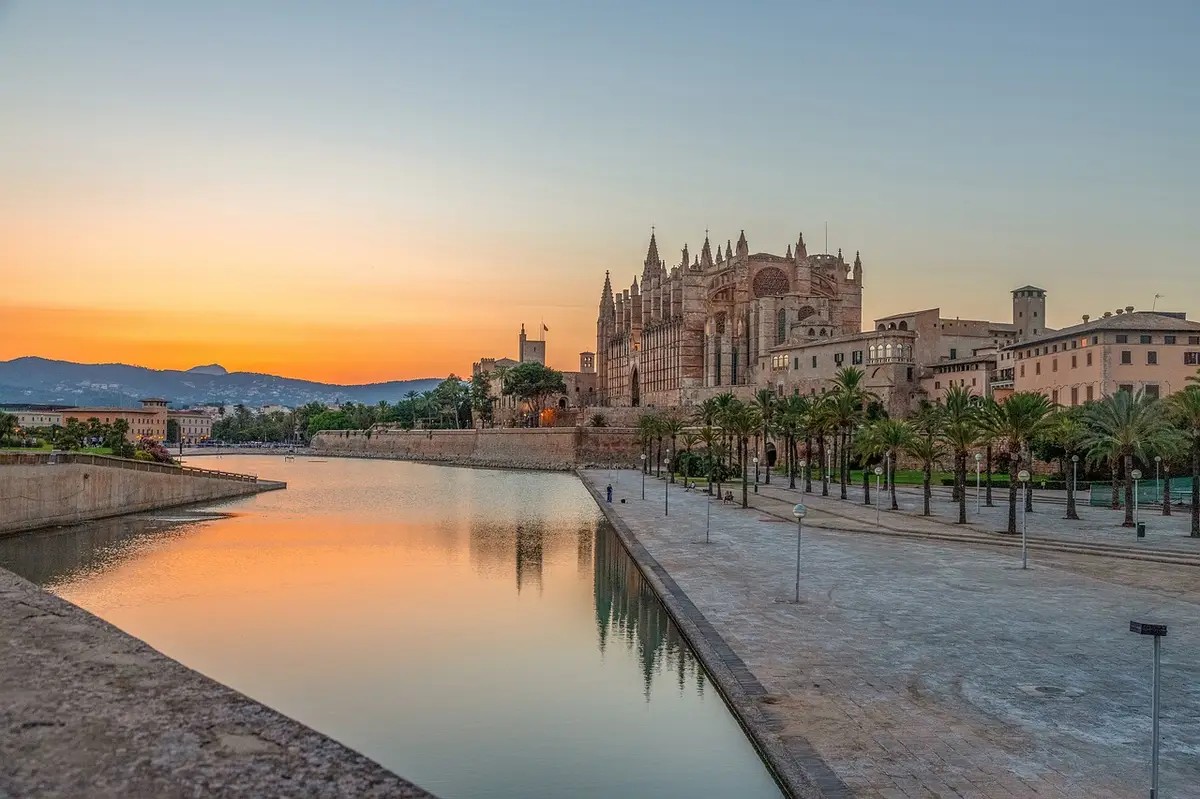
Over the past decade, Palma has become one of Europe’s most sought-after cities to live in. The Mallorcan capital pairs a historic Mediterranean centre with a cosmopolitan cultural scene, and it does so on a human scale: the Gothic cathedral stands next to the sea, a modern marina runs along the bay, and most of daily life happens within a short walk, cycle or drive.
For international buyers, remote professionals and families relocating to the island, the appeal is the balance. Centuries-old architecture, theatres, galleries, markets, international restaurants and cafés all sit close to the city beaches, and the Serra de Tramuntana is a short drive away.
Why Palma Appeals to International Buyers
Shopping in Palma mixes international luxury brands, Spanish high-street names and independent boutiques in the narrow streets of the Old Town, alongside local artisan shops. Passeig del Born and Avinguda Jaume III are the main upmarket shopping streets, and El Corte Inglés has two department stores in the city, one on the Avingudes and a smaller one on Jaume III.
Access is a big part of the case. Palma airport is around 15 minutes by car from the city centre and has direct flights to the main European capitals, including London, Paris, Berlin and Madrid. Long-haul options have grown too: United has operated a seasonal route to New York (Newark) since 2022, and in summer 2026 Etihad added a seasonal direct service to Abu Dhabi.
That connectivity, combined with the Mediterranean lifestyle, has drawn a growing international community, and demand covers everything from city apartments to sea-view properties, classic townhouses and luxury villas.
Understanding Palma’s Neighbourhoods
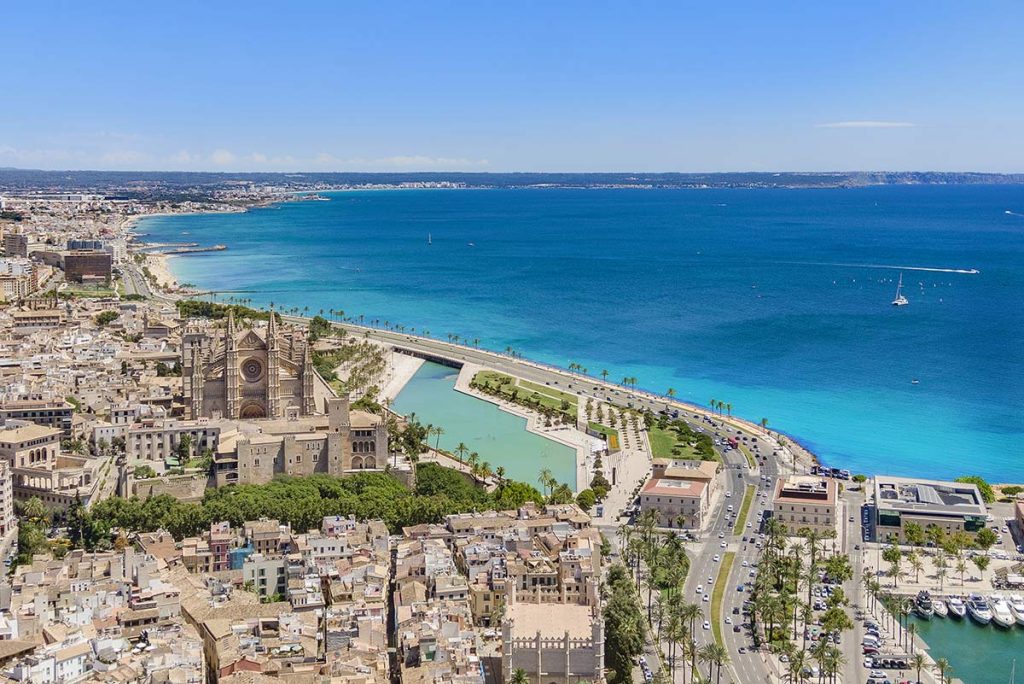
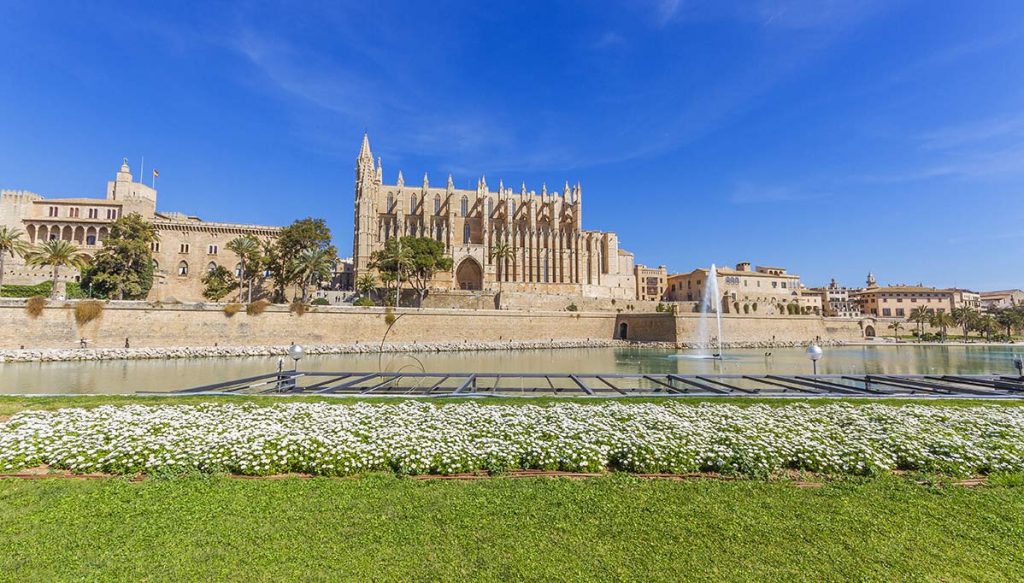
Despite its relatively compact size, Palma offers a real variety of places to live. Broadly, the city divides into a few lifestyle zones:
- Districts rich in historic architecture
- Lively neighbourhoods known for restaurants, nightlife and culture
- Seafront areas built around the beach and the marina
- Quieter residential districts popular with families
- Exclusive hillside areas known for villas and panoramic views
Knowing these differences matters when deciding where to live in Palma, because each neighbourhood offers a very different experience of the city.
The Old Town (Casco Antiguo): historic elegance
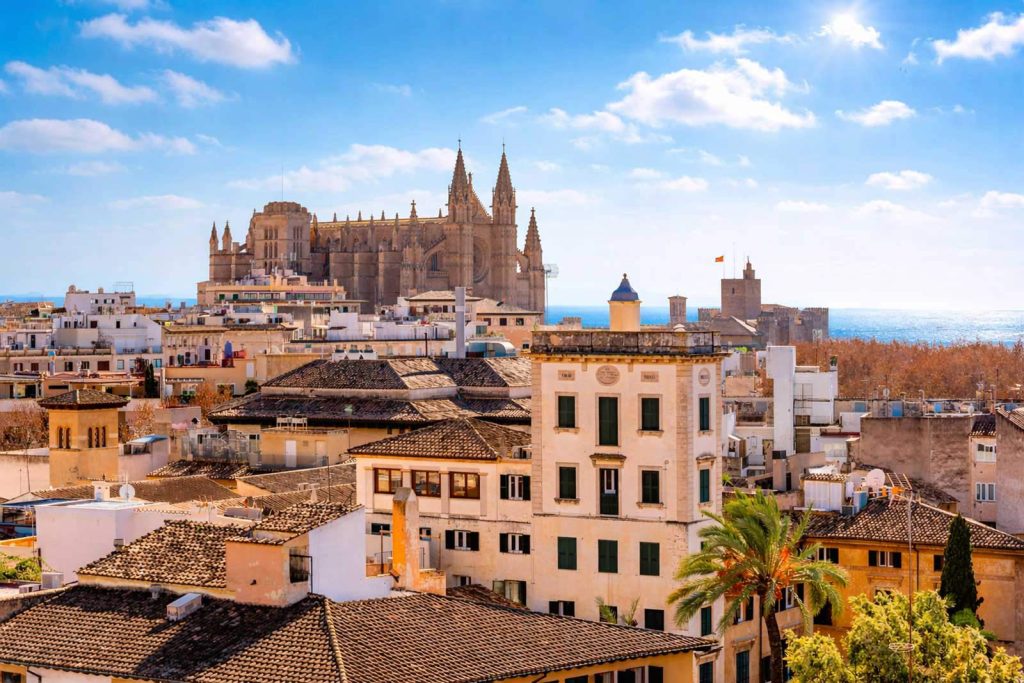
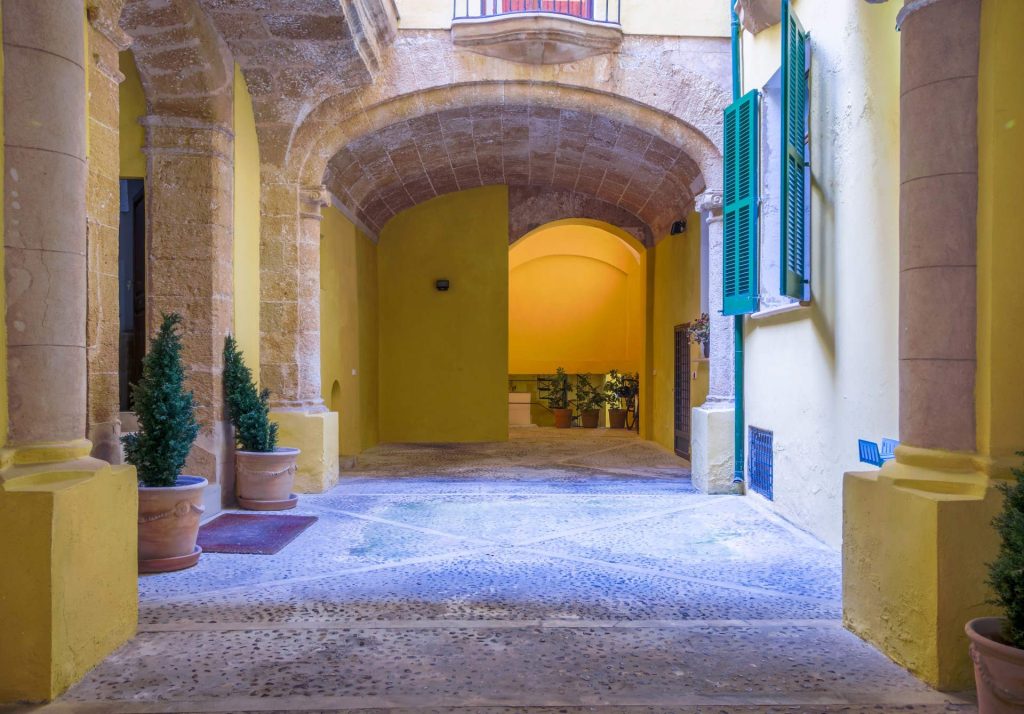
At the heart of the city lies the Casco Antiguo, Palma’s historic Old Town and one of the most prestigious addresses in Mallorca. Narrow cobbled streets run between Gothic churches, café-lined squares, Renaissance palaces and restored townhouses. Many historic buildings have been converted into apartments that combine original features, such as grand entrance halls, vaulted ceilings and private courtyards, with modern interiors, and some have roof terraces looking over the cathedral.
Living in Palma Old Town means being surrounded by culture: La Seu Cathedral, galleries, boutique hotels and shopping streets such as Passeig del Born and Jaume III are all on the doorstep. The area attracts buyers looking for historic character and central convenience, and prices are among the highest in the city. For a closer look at daily life there, see our guide to living in Palma Old Town.
Santa Catalina: Palma’s culinary and cultural hub
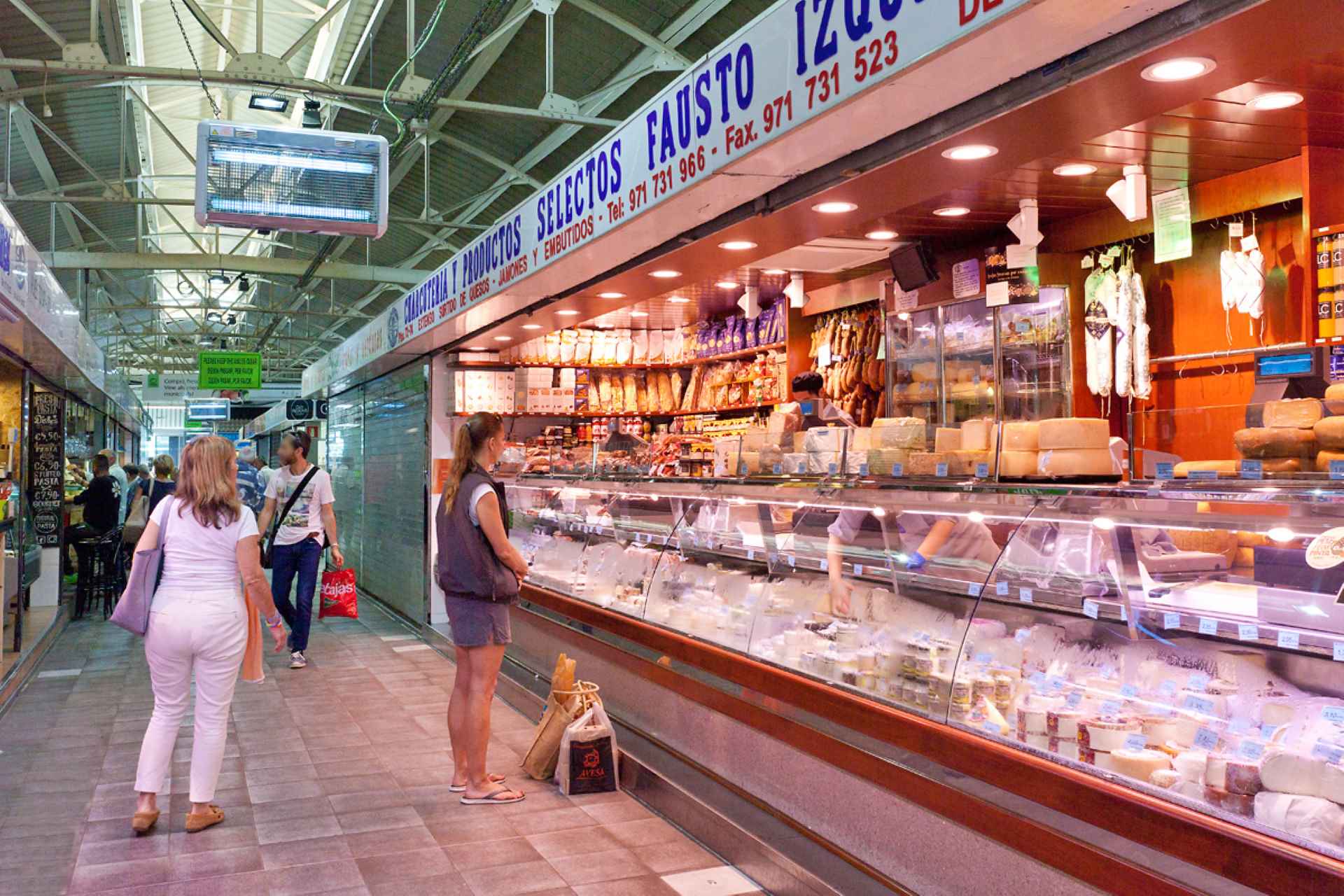
If the Old Town is the soul of the city, Santa Catalina is its liveliest quarter. Just west of the Old Town, this former fishing district has become a busy, international neighbourhood known for its restaurants, cafés, the Palma Sport & Tennis Club and an active social scene.
At its centre is the Mercat de Santa Catalina, one of Palma’s oldest food markets, where chefs and residents buy fresh fish, seasonal produce and Mallorcan specialities. Several of its bars serve tapas, and some will cook fish or seafood bought at the stalls for a small charge. Colourful houses, small balconies and traditional shutters give the streets their character, and many homes have been renovated in recent years while keeping the look of the neighbourhood. For buyers who want restaurants, bars and nightlife close by, Santa Catalina is often considered one of the best areas to live in Palma.
Portixol and El Molinar: seafront living
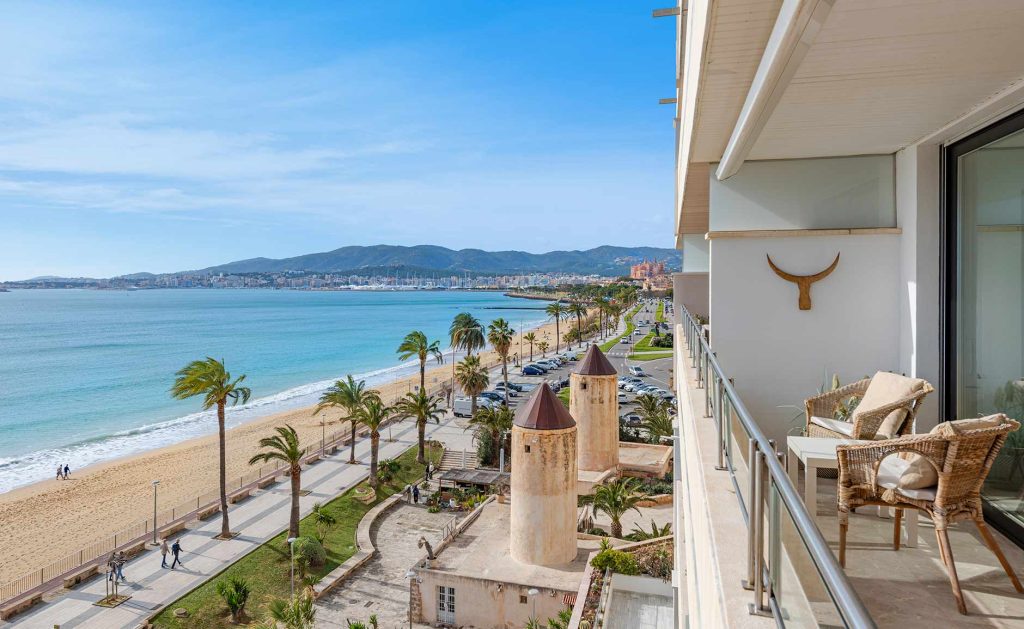
For many people, living in Palma means living near the sea. Just east of the centre, Portixol and El Molinar offer exactly that. Once quiet fishing villages, both have become some of the most desirable residential areas on the island.
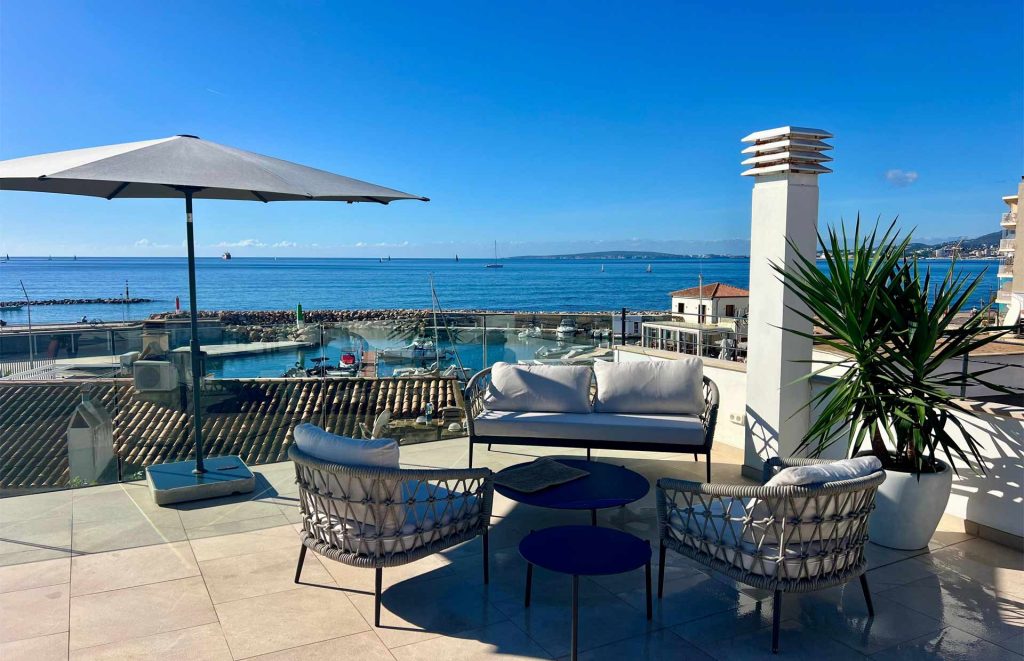
A seafront promenade links them with the city and several beaches, and it is one of Palma’s most scenic routes for cycling and walking. Portixol is known for its restaurants, boutique hotels and waterfront cafés; El Molinar keeps more of its local character and is slightly quieter, which makes it popular with families. Apartments and townhouses with sea views are in high demand, and property in Portixol and El Molinar commands some of the highest prices in Palma.
Son Vida: luxury living above Palma
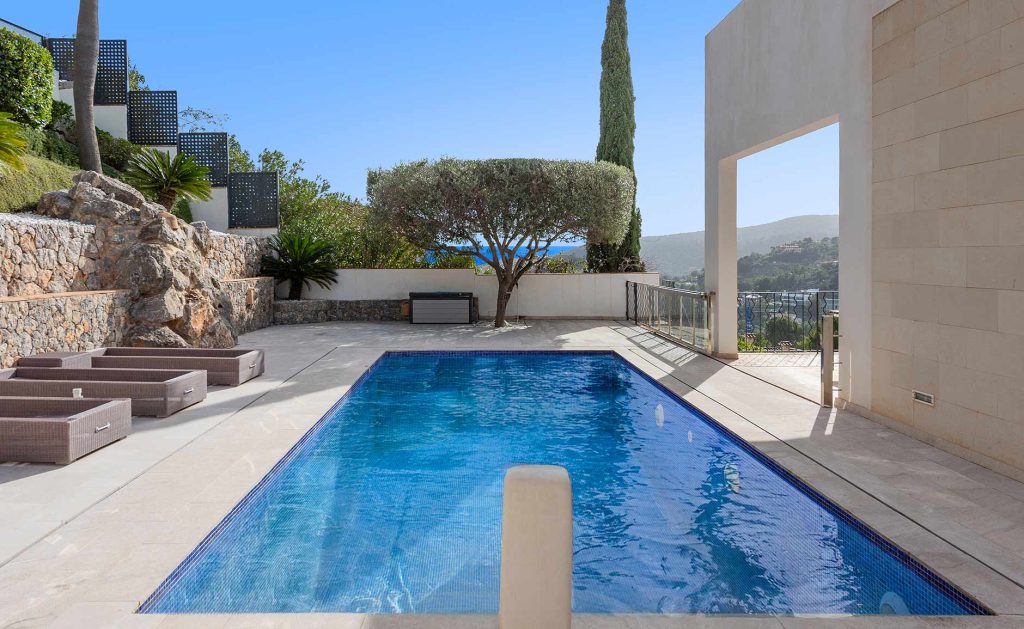
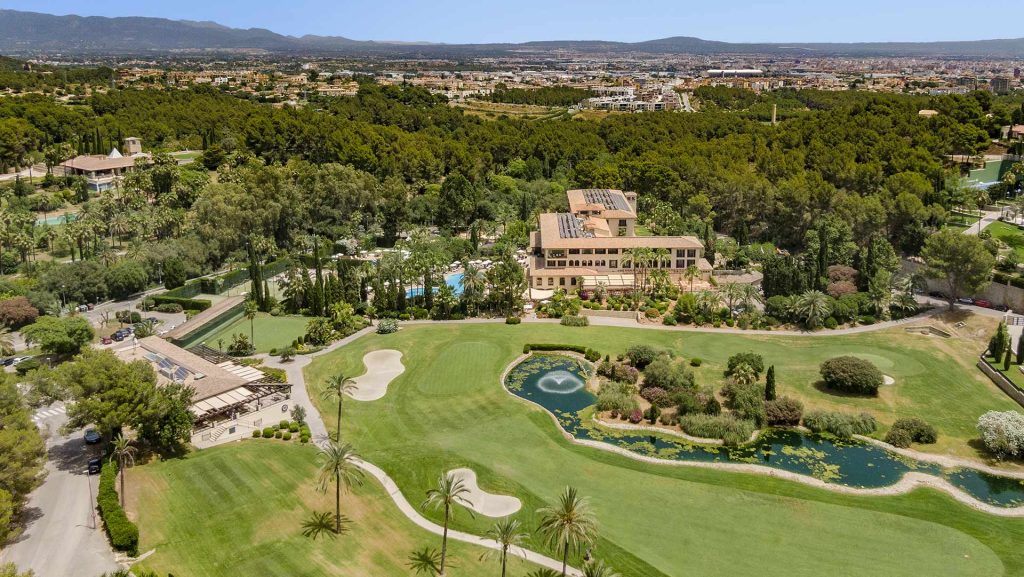
Often called the “Beverly Hills of Mallorca”, Son Vida is Palma’s most exclusive residential area. Set in the hills around ten minutes from the centre, it offers privacy, security and wide views over the Bay of Palma. The area is built around three golf courses and includes some of the island’s best-known five-star hotels. Properties in Son Vida are typically contemporary villas with infinity pools, large terraces and landscaped gardens, many within gated communities, which is why the area appeals to buyers looking for discretion. The trade-off is that it is not within walking distance of the centre.
El Terreno: Palma’s up-and-coming district
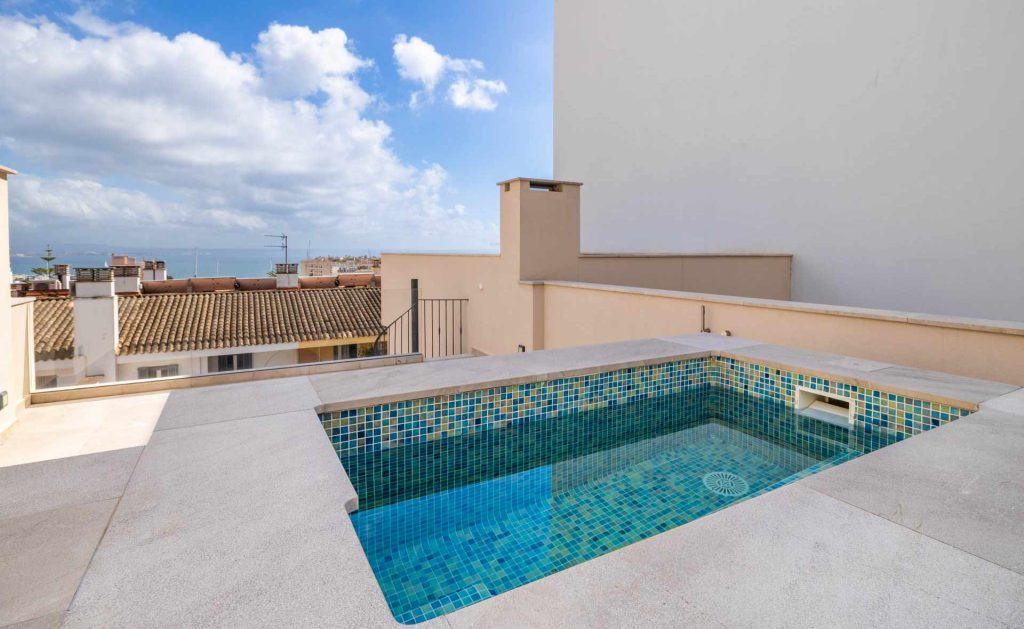
Between the Paseo Marítimo and the Bellver forest, El Terreno has become much more sought after in recent years, partly because prices have traditionally been lower than in other central areas. In the 1960s and 1970s it was known for its nightlife and artistic community, and it is now going through a revival, with new restaurants, galleries and renovated homes. Historic villas and mid-century apartment buildings are being restored, drawing creative professionals and investors who like its character and its easy access to the centre and nearby beaches. Being next to Bellver Castle and its forest park also makes it a good choice for people who want green space without leaving the city.
Son Espanyolet and Son Armadams: quieter residential living
Behind Santa Catalina are two of Palma’s most liveable residential districts, Son Espanyolet and Son Armadams. Both are calm while still within walking distance of the centre and the marina. Son Espanyolet has low-rise houses with terraces and gardens that give it a village feel; Son Armadams is larger, mainly made up of apartment buildings, and popular with families. For buyers who want a quieter life without leaving the city, they strike a good balance.
Génova: village charm above the city
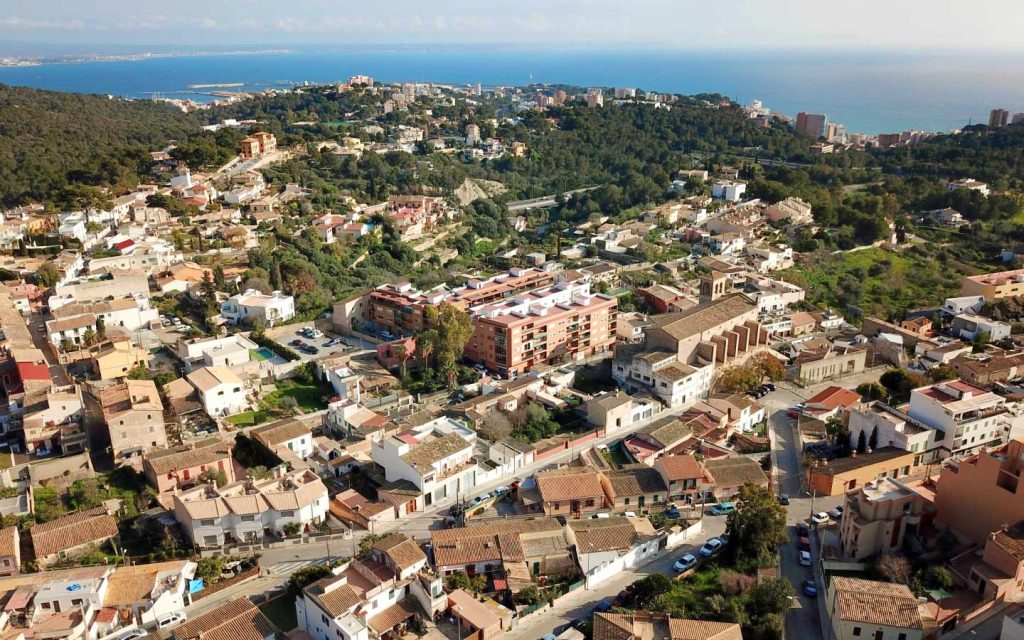
A few minutes’ drive north of the centre, Génova sits in the hills above Palma, surrounded by pine forest and with views out to sea. Although it is part of the city, it feels separate from it: narrow streets, stone houses and family-run restaurants such as the long-established Ca’n Pedro give it a traditional Mallorcan atmosphere. The housing mix combines village houses with newer villas, many with views across the bay, and the nearby mountain trails suit hikers and cyclists. For residents who want a quiet village setting close to city amenities, Génova is a good compromise.
Continue exploring: see the complete Palma area guide, our detailed guide to Palma Old Town and the latest Mallorca property price comparisons.
How to Choose the Best Area to Live in Palma
The right neighbourhood depends mainly on lifestyle and budget. Buyers drawn to historic architecture and the very centre tend to choose the Old Town; those who want a livelier atmosphere prefer Santa Catalina. For life by the sea, Portixol or El Molinar fit best. Son Vida offers more space, privacy and luxury homes, but not a walk into town. For a quieter, residential and family-friendly setting, Son Armadams, Son Espanyolet or Génova work well, bearing in mind that Génova is further out.
Palma’s compact size and transport links mean all of these neighbourhoods remain within easy reach of the centre, the beaches and the airport. To book viewings, contact our sales team: Balearic Properties is an established agency partnered with Savills and can help you find the right property in Mallorca.
Related articles
Can we help you?
Call now, send us a message on WhatsApp, or fill out the contact form, and we’ll get back to you as soon as possible.