
Buying Property in Mallorca as a UK Resident: What You Need to Know in 2026
Since Brexit, the rules have changed, but the dream hasn't. Mallorca remains one of Spain's most sought-after destinations for UK buyers, whether you're looking for a holiday home, a lifestyle move, or a long-term investment. Here's everything UK residents need to know about buying in Mallorca in 2026.
Property market commentary by Iris Grünewald, CEO & Founder of Balearic Properties, with more than 25 years of Mallorca real estate experience.
Last reviewed 19 September 2026
Editorial methodology: Property-market guidance reflects Balearic Properties’ local experience. Legal, tax and residency information is general and is checked against official Spanish and UK guidance; buyers should obtain advice for their personal circumstances.
Why Spain Still Appeals to UK Buyers
Despite Brexit, demand from UK buyers remains strong. Many are drawn to Mallorca by a combination of lifestyle, investment potential, and accessibility:
- A relaxed Mediterranean lifestyle
- Attractive property prices compared to parts of the UK
- Strong long-term investment potential
- Easy access via international flights
The market continues to perform well across the island, particularly in prime locations such as Pollensa, Alcudia, and Palma. You can explore a wide range of options through trusted agencies such as Balearic Properties, which specialises in homes across the island.
Legal Requirements for UK Buyers
Buying property in Spain is a structured process, but it differs from the UK system in several important ways.
NIE Number
All foreign buyers must obtain a Número de Identidad de Extranjero (NIE). This is required for:
- Signing contracts
- Paying taxes
- Opening a Spanish bank account
- Completing the purchase
Spanish Bank Account
A local bank account is necessary to manage payments, taxes, and ongoing property-related expenses.
Independent Legal Advice
Working with an independent lawyer is essential. A qualified legal advisor will:
- Verify ownership and title deeds
- Check for debts, charges, or planning issues
- Ensure contracts are legally sound
This step is particularly important for international buyers unfamiliar with Spanish property law. Do not sign anything before your lawyer has reviewed it.
Understanding the Costs and Taxes
One of the most common mistakes UK buyers make is underestimating the total cost of purchasing property in Spain.
Purchase Taxes
- Transfer Tax (ITP): Typically between 8% and 10% (resale properties)
- VAT (IVA): 10% (new-build properties)
- Stamp Duty: Around 1% to 1.5%
Additional Costs
Buyers should allow approximately between 10% and 13% extra on top of the purchase price to cover legal fees, notary costs, and Land Registry fees.
Practical example: On a €400,000 property, budget an additional €40,000 to €52,000 to cover all taxes and fees. Planning for this from the outset will avoid unwanted surprises.
Post-Brexit Considerations
Since the UK left the European Union, British buyers are now classified as non-EU buyers in Spain. This has several practical implications.
The 90-Day Rule
UK citizens can stay in Spain for up to 90 days within any 180-day period without a visa. If you plan to spend more time in Mallorca, you will need to apply for a suitable visa or residency permit before your stay.
Visa Options for Longer Stays
- Non-lucrative visa: Suitable for those who can support themselves financially without working in Spain. Requires proof of sufficient income or savings.
- Digital nomad visa: For those who work remotely for non-Spanish companies.
- Golden Visa: For buyers who invest a minimum of €500,000 in real estate. Grants residency and freedom of movement within the Schengen Area, without automatically affecting your UK tax status.
For a detailed breakdown of the Golden Visa and post-Brexit rules, see our guide: Buying Property in Mallorca After Brexit.
Tax Obligations
As a non-EU buyer, you may be subject to different tax treatment in some circumstances. It is advisable to seek professional advice from a tax specialist familiar with both Spanish and UK regulations.
Ongoing Costs of Owning Property in Spain
After completing your purchase, there are ongoing financial obligations to consider:
- Non-resident income tax (IRNR): Payable annually, even if the property is not rented out. The rate is typically between 19% and 24%, applied to an imputed rental value.
- IBI (local property tax): Annual municipal tax based on the cadastral value of the property.
- Maintenance and community fees: If your property is part of a development or urbanisation.
If you plan to rent your property, additional tax declarations and regulatory requirements will apply, including obtaining a tourist licence in the Balearic Islands.

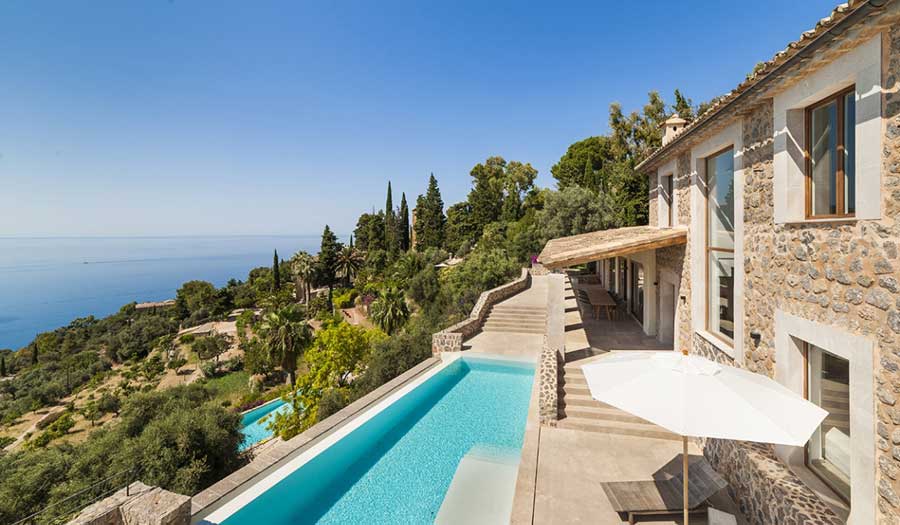
Luxury villa with mountain backdrop in Pollensa - View property
Choosing the Right Property
Finding the right property goes beyond location. It takes market knowledge and the right professionals by your side.
Established agencies such as Balearic Properties offer local market expertise, access to a wide portfolio of villas, fincas, and apartments, and guidance throughout the entire buying process. Prime areas for UK buyers include Pollensa, Alcudia, Palma, and the South West of the island.
Common Mistakes to Avoid
- Not using an independent lawyer
- Underestimating total purchase costs (remember to budget between 10% and 13% on top of the purchase price)
- Misunderstanding tax obligations as a non-resident
- Assuming the process is the same as in the UK
- Not checking visa requirements before planning extended stays
Taking professional advice early can help you avoid costly mistakes and ensure a smooth transaction.
Buying property in Mallorca as a UK resident remains a highly attractive opportunity in 2026. With the right planning, legal guidance, and local expertise, the process can be smooth and rewarding.
Frequently Asked Questions
Can UK residents buy property in Mallorca in 2026?
Yes. UK residents can still buy property in Mallorca in 2026, although they are treated as non-EU buyers following Brexit. The process involves a few additional steps compared to EU citizens, but there are no restrictions on ownership.
Do UK buyers need an NIE number to buy in Spain?
Yes. An NIE number is required to sign contracts, pay taxes, open a Spanish bank account, and complete the property purchase. You can apply through the Spanish Embassy in the UK or directly in Spain.
How much are the purchase costs in Mallorca?
Buyers should usually budget around between 10% and 13% extra on top of the purchase price for taxes, legal fees, notary costs, and Land Registry fees. On a €400,000 property, this means budgeting an additional €40,000 to €52,000.
Can UK residents stay in Mallorca all year?
Not automatically. UK citizens can usually stay in Spain for up to 90 days within any 180-day period without a visa. Longer stays require a suitable visa or residency permit, such as the non-lucrative visa or the Golden Visa.
Do I need to pay taxes in Spain if I don't rent out my property?
Yes. Non-resident property owners in Spain are subject to an annual non-resident income tax (IRNR), even if the property is not rented out. The tax is based on an imputed rental value of the property.
Is Mallorca a good place to invest in property?
Mallorca remains one of Spain's most attractive property markets, especially in prime areas such as Pollensa, Alcudia, Palma, and the South West. Strong rental demand and consistent buyer interest support long-term property values.
Official sources and professional advice
- UK Government: living in Spain guidance
- Spanish Tax Agency: property and non-resident taxation
- Colegio de Registradores de España
This article provides general information and is not personalised legal, immigration or tax advice. Rules may change, so obtain independent professional advice before purchasing.

By Iris Grünewald
Founder

