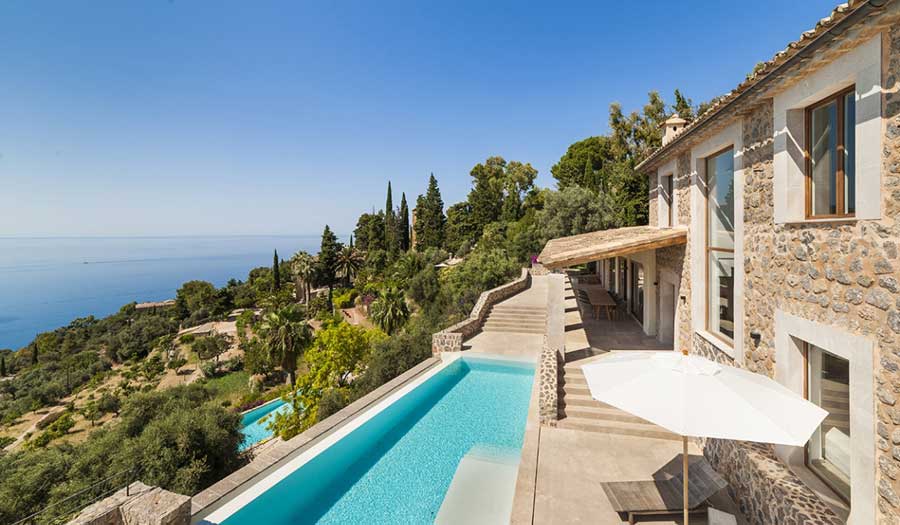

Hotel Market in Turmoil: Positive Tourism Outlook Boosts Hotel Purchases
In the first quarter of 2024 alone, thirty Spanish hotels have changed hands, for which 577 million euros have been paid.
The hotel sector in Spain is experiencing significant growth in 2024
In just the first quarter, approximately thirty hotels have changed ownership for a total of 577 million euros, representing a 12% increase compared to the same period last year. This dynamism in the hotel market is driven by the excellent current state of the tourism sector, with record numbers suggesting an even more promising future.
The year has started with encouraging figures, and it is anticipated that the rest of 2024 will continue this positive trend. In 2023, Spain solidified its position as the second most visited country in the world, with 85.3 million tourists. Forecasts for 2024 indicate that it could reach, or at least come close to, 100 million visitors. In the first quarter of this year, Spain received over 16 million tourists, a sharp contrast to the mere 19 million visitors for the whole of 2020 during the COVID-19 pandemic.

Restored boutique-hotel with pool in Ses Salines - View Hotel
Pedro Aznar's Insights
Pedro Aznar, Professor of Economics, Finance and Accounting at the Esade Business School in Barcelona, explains that "after COVID-19, tourism experienced a strong rebound. Initially, this was linked to people's desire to get out and spend the savings accumulated during that time, but it has become clear that this was not a temporary increase but one that continues to grow." This change in consumer behaviour, with people now preferring more experiential and immersive tourism, has increased demand and consequently sparked investor interest.
Significant Profit Margins in the Hotel Sector
The hotel sector is seeing significant profit margins, with price increases in some cities like Málaga, where rates have risen by up to 70%. However, it is expected that this price increase will moderate throughout the rest of the year. According to the real estate consultancy CBRE, 82% of sales transactions in the first quarter of 2024 involved high-end hotels, demonstrating the resilience of this segment. Of these transactions, 55% were four-star hotels, while 27% were five-star luxury hotels.
Types of Investors in the Hotel Sector
Investors in the hotel sector typically fall into three categories: institutional, hotel chains, and private, representing 37%, 36%, and 23% of total investments, respectively. A significant portion of these investments are Spanish capital, highlighting the acquisition of part of Meliá Hotels' portfolio by Banco Santander. These investors are usually large groups that diversify their activities into high-growth sectors, attracted by the profitability of the hotel sector.
Popular Investment Destinations
Aznar highlights that investments in the hotel sector in Spain are directed towards popular destinations like Málaga or markets with growth restrictions like Barcelona. The profitability of these properties is notably high, with 5.25% in Madrid and Barcelona, and 6.25% in the Balearic and Canary Islands, significantly surpassing the yield on a 10-year Spanish bond. Given this scenario, around 260 new hotels are expected to open in Spain by the end of 2025, of which 22% will be high-end, i.e., five stars or more.
Adjustments in Various Business Segments
The sector is readjusting in various business segments. Urban tourism, for example, is growing strongly, and hotel sales are increasingly focused on the 'prime' or luxury sector. This is because these establishments have a loyal clientele and do not face significant competition from holiday home rentals, which affect lower-category hotels more.
Mallorca: A Profitable Investment
One of the most prominent and profitable destinations for hotel investment in Spain is Mallorca. The island, famous for its paradisiacal beaches, mild climate, and rich culture, attracts millions of tourists each year. This constant influx of visitors makes Mallorca an ideal place to invest in the hotel sector.

Hotel investment with 15 apartments and a pool for sale in Santa Margalida - View Hotel
High Profitability of Hotels in Mallorca
The profitability of hotels in Mallorca is notably high due to several factors. First, tourist demand on the island is constant and robust, not only during the high summer season but also throughout the rest of the year, thanks to its cultural, sports, and gastronomic tourism offerings. This ensures high hotel occupancy and allows competitive rates to be maintained.
Additionally, Mallorca's tourism infrastructure is well-developed, with an international airport that facilitates the arrival of tourists from all over Europe and beyond. The island's connectivity is excellent, making it an accessible and attractive destination for both tourists and investors.
Hotels in Mallorca also benefit from a diverse and high-spending clientele. The island attracts all types of travellers, from families and young adventurers to luxury tourists seeking exclusive experiences. This market diversity allows hotels to adapt and offer a range of services that maximise their profitability.
Long-term Investment Benefits
Investing in a hotel in Mallorca not only offers direct economic benefits but also long-term advantages. The island's real estate market tends to appreciate, meaning that hotel properties not only generate operational income but also increase in value over time. This provides investors with a double gain: operational income and property value appreciation.

Agroturism hotel investment in Llucmajor - View Hotel
Efficient Management and Technological Innovation
Efficient management and technological innovation are key to maintaining the competitiveness of hotels in Mallorca. The adoption of advanced technologies for hotel management, the personalisation of services through data analysis, and the implementation of sustainable practices not only improve the guest experience but also optimise operational costs and increase efficiency.
Diversification and New Trends
The hotel market is not only benefiting from the increase in traditional tourism but also from new trends and market niches. Experiential tourism, focused on offering unique and personalised experiences, is gaining ground. Boutique hotels, themed accommodations, and exclusive experiences are attracting a new type of tourist looking for more than just a stay.
Furthermore, sustainable tourism is becoming an important factor. Travellers are increasingly aware of the environmental impact of their trips and prefer accommodations that adopt sustainable practices. This has led to greater investment in eco-friendly and sustainable hotels, which not only reduce their carbon footprint but also offer experiences aligned with the environmental values of guests.
Hotel chains are adapting their strategies to capture these new trends. Many are renovating their properties to include green technologies, offering sustainable transportation options, and developing corporate social responsibility programmes that resonate with conscious travellers.
Impact on the Local Economy
The boom in the hotel market has a positive impact on the local economy. The construction and renovation of hotels generate employment and stimulate related sectors such as construction, design, and technology. Additionally, the influx of tourists boosts the local economy by increasing spending in restaurants, shops, and tourist attractions.
In cities like Málaga and Barcelona, the growing demand for luxury accommodation has led to a transformation of the urban landscape. New hotel projects are revitalising previously less favoured areas, creating new hubs of tourist and commercial attraction.
Challenges and Opportunities
Despite the positive outlook, the hotel market faces challenges. Inflation and rising operating costs can pressure profit margins. Additionally, competition from holiday rental platforms remains a threat to lower-category hotels.
However, these challenges also present opportunities. Digitalisation and technological innovation can improve operational efficiency and customer experience. The adoption of technologies such as artificial intelligence and data analysis allows hotels to personalise their services and optimise their operations, creating a competitive advantage.
Future Prospects
The future of the hotel market in Spain looks bright. With a booming tourism economy and sustained demand for high-quality experiences, growth prospects are strong. Diversification into niches such as experiential and sustainable tourism, along with investment in technology, positions the sector to capitalise on emerging opportunities.
The Spanish hotel market is in full swing, driven by continuously growing tourism and investor appetite that shows no signs of slowing down. With a combination of favourable factors, from the resilience of urban tourism to the profitability of luxury hotels, the sector is well-positioned to reach new heights in the coming years.

By Iris Grünewald
Founder

