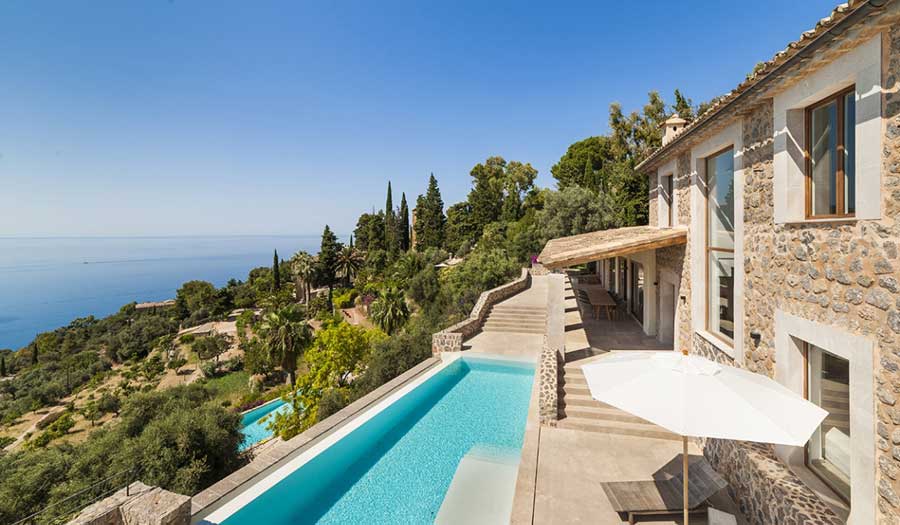

Complete Guide to Buying Property in Mallorca in 2026
By Iris Grünewald, CEO & Founder, Balearic Properties · Updated 23 October 2026 · Reading time: about 15 minutes
Key facts at a glance
- Foreigners can buy property in Mallorca without nationality restrictions.
- Every buyer needs an NIE (Foreigners' Identification Number).
- The typical deposit is 10% of the price, paid when signing the private contract.
- On a resale home, transfer tax (ITP) is 8% for most purchases. Total costs usually come to about 10% or more of the price.
- New-build homes pay 10% VAT and 1.5% stamp duty (AJD) instead of ITP.
- Non-EU buyers who want to live in Spain need a visa. The Golden Visa property route ended on 3 April 2025.
- Renting to tourists depends on an existing licence. Check this before you buy.
Contents
- 1. The Real Estate Market in Mallorca
- 2. Who Can Buy and Live in Mallorca
- 3. Popular Locations in Mallorca
- 4. The Cost of Living in Mallorca
- 5. The Property Buying Process
- 6. Costs and Taxes When Buying
- 7. Renting Your Property to Tourists
- 8. Tips for Buying Property in Mallorca
- 9. Frequently Asked Questions
- 10. Official Sources and Professional Guidance
1. The Real Estate Market in Mallorca
Mallorca, the largest gem of the Balearic Islands, continues to be a prime destination for those seeking luxury and exclusivity. This Mediterranean island has solidified its reputation as a magnet for high-net-worth individuals and families looking for a second home. Additionally, Mallorca attracts many international buyers, particularly from the United Kingdom and Germany, who take advantage of the island's quality of life and relative proximity to other European capitals.
Expert commentary by Iris Grünewald, CEO & Founder of Balearic Properties and Mallorca property specialist with more than 25 years of local experience.
Editorial methodology: This guide combines official property and tax information with Balearic Properties' transaction experience. Legal, tax and mortgage requirements must be verified for each buyer and property.
Foreign Buying Trends
Despite a slight slowdown in transactions, the proportion of foreign purchases in Mallorca's real estate market remains significant. In fact, the latest report from the Spanish Property Registrars Association indicates that foreigners account for 35.63% of property acquisitions on the island, highlighting the appeal of this Mediterranean haven. This continued price increase has made Mallorca one of the most expensive markets in Spain, maintaining its upward trend.
Price per Square Metre
In the last quarter of 2023, the average price per square metre in Mallorca reached €3,496, surpassing regions like Madrid and the Basque Country. Demand for luxury villas and apartments continues to push prices to elevated levels, a dynamic that has shaped the market since. For area-by-area figures, see our Mallorca Property Prices 2026 guide.
2. Who Can Buy and Live in Mallorca
Can Foreigners Buy Property in Mallorca?
Yes, foreigners can purchase properties in Mallorca without significant restrictions. Although there was a discussion in 2022 about potentially imposing limitations on non-resident buyers, this proposal did not progress and is unlikely to be implemented due to the EU's free movement laws.
Visas for Non-EU Foreigners
If you are not an EU citizen, you will need a visa that allows you to reside in Spain for more than 90 days. The most common options are the non-lucrative visa or the digital nomad visa.
The Golden Visa, which granted residency to investors who bought real estate worth at least €500,000, ended on 3 April 2025, so property purchases no longer qualify for it. The alternatives below remain available:
- Non-Lucrative Visa. Allows foreigners to reside in Spain without engaging in any paid activities. It is ideal for those with sufficient income to support themselves without working in Spain. Applicants must demonstrate financial stability, usually in the form of savings or passive income, and have private health insurance.
- Digital Nomad Visa. For those who work remotely for foreign companies or as freelancers outside of Spain. It allows stays of up to one year, with the possibility of renewal. Applicants must show proof of remote employment or freelance work and sufficient income to support themselves while in Spain.
- Residency through Business or Entrepreneurship. Available for those who set up a business in Spain or invest in a local enterprise. Applicants need to submit a business plan and demonstrate that their investment can create jobs or provide significant economic benefits.
- Family Reunification Visa. For those with immediate family members (such as spouses, parents, or children) who are already legally residing in Spain. It allows family members to live, and in some cases, work in Spain.
- Long-Term Residency Permit. After legally residing in Spain for a continuous period of five years, foreign nationals can apply for a long-term residency permit. For those already residing in Spain on another visa type, this is a natural step towards permanent residence.
Visa rules change. Confirm current requirements with the Spanish consulate in your country or with an immigration lawyer before you commit.
3. Popular Locations in Mallorca
Mallorca is known for its geographic and cultural diversity, making it an attractive destination for a variety of buyer profiles. Each locality on the island offers a unique lifestyle, from the bustling city of Palma to the coastal charm of Santanyí and the tranquil ambiance of Santa Ponsa. Here is an expanded description of some of the most sought-after locations in Mallorca:
Palma de Mallorca

Palma, the island's capital, stands out for its vibrant urban life, history, and cultural offers. The city is renowned for its old town, home to the La Seu Cathedral, a Gothic landmark that dominates the bay's skyline. Palma perfectly combines modern life with historical charm, offering a wide range of high-end restaurants, luxury boutiques, and lively nightlife. Additionally, the Paseo Marítimo and the marina provide spectacular views and an ideal environment for strolling. Palma is ideal for those seeking a cosmopolitan lifestyle with access to high-quality services.
Puerto de Andratx

Located on Mallorca's southwest coast, Puerto de Andratx is one of the island's most exclusive ports. With its natural harbour and panoramic views, it has become a meeting point for yachts and luxury boats. The area offers a variety of high-end restaurants, boutique shops, and sophisticated nightlife. Additionally, the hills surrounding the harbour are dotted with luxurious villas and residences that attract an international clientele. Puerto de Andratx is ideal for those seeking tranquillity and exclusivity in an impressive coastal setting.
Pollensa

Situated in the north of the island, Pollensa is famous for its rustic charm and traditional Mallorcan atmosphere. The old town, with its cobbled streets and picturesque squares, is home to cosy cafes and art galleries. The nearby Port of Pollensa offers crystal-clear waters and a promenade with views of the sea and the Serra de Tramuntana. It is a popular destination for families and those looking to enjoy a relaxed lifestyle surrounded by nature, with access to outdoor activities like hiking and sailing.
Puerto Portals
Known for its excellent marina, Puerto Portals, this area on Mallorca's southwest coast is a magnet for the international jet set. Here, you'll find some of the island's most exclusive shops and restaurants, as well as elegant beach clubs. The nearby beaches feature fine sand and turquoise waters, perfect for relaxing and enjoying the Mediterranean climate. Portals Nous combines glamour and luxury with a resort atmosphere, attracting those who appreciate an elegant lifestyle with top-notch amenities.
Sóller

Nestled in the valley of the Serra de Tramuntana, Sóller is a charming village that combines natural beauty with historical architecture. Its old tram connects the village to the Port of Sóller, a beautiful bay with beaches and a seafront promenade lined with cafes and restaurants. The area is perfect for nature lovers and hiking enthusiasts, with numerous trails winding through mountains and forests. Sóller offers a relaxed atmosphere with a touch of bohemian flair and a strong sense of community, ideal for those seeking a tranquil life in harmony with nature.
Santa Ponsa

Located on Mallorca's southwest coast, Santa Ponsa is popular among families and expatriates, especially from European countries. This area boasts two main beaches with crystal-clear waters, making it a year-round leisure destination. Santa Ponsa is also known for its golf community, with several renowned courses and a peaceful atmosphere. Moreover, the Port Adriano yacht marina, designed by Philippe Starck, offers luxurious facilities for nautical enthusiasts and exclusive entertainment options. Santa Ponsa combines tranquillity with easy access to first-class commercial areas and restaurants.
Santanyí

On the island's southeastern coast, Santanyí is noted for its natural beauty and traditional architecture. The village hosts a busy weekly market where local products and crafts are sold. The beaches of Cala Santanyí and Cala Llombards are among the most beautiful in Mallorca, with turquoise waters and imposing cliffs. The area is highly sought after by those looking for a more tranquil, natural environment, away from mass tourism. Santanyí is also popular among artists and creative people, who find this inspiring setting an ideal place to live and work.
Alcúdia

Alcúdia, located in the north of the island, is a destination that offers both history and natural beauty. The old town, surrounded by medieval walls, is a focal point of the municipality, with cobbled streets, picturesque restaurants, and shops selling local goods. Alcúdia beach, with its white sand and calm waters, is ideal for families. Additionally, the proximity to the Sierra de Tramuntana makes this area perfect for hiking and cycling enthusiasts. Alcúdia is also a preferred destination for those seeking a second home with easy access to outdoor activities and the sea.
In summary, each area of Mallorca has its own appeal, from Palma's urban luxury to Santanyí's serenity. The choice of location depends on personal preferences and the desired lifestyle, but all these areas share the unique charm that makes Mallorca such a coveted destination.
Location should be considered before individual listings. Compare our Living guides to Southwest Mallorca, Northwest Mallorca and Central Mallorca.
4. The Cost of Living in Mallorca
Mallorca offers a high quality of life, but this comes with associated costs that vary depending on location and lifestyle. For example, living in Palma de Mallorca, especially in the city centre, can be significantly more expensive than in other areas of the island. The cost of housing, food, and utilities is above the national average, reflecting demand from both local and foreign residents.
Accommodation
Rents in central Palma can range from €900 to €1,500 for one-bedroom apartments, while outside the centre, prices can drop to between €700 and €1,000. Purchasing property is also costly, with average prices ranging between €3,500 and €5,000 per square metre in the centre, and slightly less in peripheral areas.
Food and Utilities
The average monthly cost for basic utilities such as electricity, water, and gas for an 85 m² apartment can be between €150 and €200. Additionally, grocery shopping can reach €300 per month per person. Eating out in Mallorca also varies depending on the type of restaurant: an inexpensive meal can cost between €12 and €15, while a three-course dinner at a mid-range restaurant ranges between €50 and €70.
Transport
Mallorca has an efficient public transport system. A monthly pass costs approximately €40. For those who prefer driving, petrol prices are around €1.73 per litre. Additionally, car maintenance and insurance costs can increase monthly expenses.
Comparison of Living Costs in Spain
| Position | City | % Above National Average | Income (€) | Income Ranking |
|---|---|---|---|---|
| 1 | San Sebastián | 33.44% | €39,023 | 4 |
| 2 | Barcelona | 26.76% | €38,226 | 5 |
| 3 | Madrid | 16.18% | €41,830 | 1 |
| 4 | Palma de Mallorca | 15.73% | €34,522 | 9 |
| 5 | Bilbao | 9.95% | €37,242 | 6 |
| 6 | Granada | 7.89% | €26,373 | 45 |
| 7 | Valencia | 6.25% | €31,208 | 21 |
| 8 | Pamplona | 6.12% | €35,430 | 7 |
| 9 | Santander | 5.66% | €31,545 | 20 |
| 10 | Málaga | 5.04% | €27,084 | 39 |
In conclusion, while Mallorca has a higher cost of living than many other Spanish cities, its quality of life and appealing environment compensate for this difference for many residents and expatriates.
5. The Property Buying Process
Buying property on Mallorca involves several important steps and legal procedures. Here is a breakdown of the process phases:
- Private Sale Contract. This preliminary document ensures both parties agree on the terms before signing the public deed.
- Signing before a Notary. The notary formalises the transaction with the public deed, at which point the property is officially transferred to the buyer.
- Funds Transfer. In addition to the purchase price, the buyer must consider other costs such as transfer taxes and registration fees.
Necessary Documents for Purchase
To purchase on Mallorca, it is mandatory to have an NIE (Foreigners' Identification Number). It is also advisable to open a bank account in Spain to facilitate transactions. Additionally, the deposit contract and public deed are essential documents in this process.
Deposit to Buy a Property in Mallorca
The typical deposit is 10% of the sale price, which is paid when signing the option to purchase contract. This contract specifies the agreement terms and ensures the property is withdrawn from the market. However, it is crucial not to confuse this deposit with a reservation fee charged by some estate agents, as the latter does not guarantee the property's withdrawal from the market.
What Happens if I Change My Mind After Signing a Private Contract?
If you sign a private contract and decide not to proceed with the purchase, you will lose the deposit. However, if the seller cancels the sale, they must return double the deposit amount.
Can I Appoint a Legal Representative?
Yes, you can grant power of attorney to a lawyer who will act on your behalf. This is useful if you cannot be in Mallorca during the purchase process and is a commonly recommended step for international buyers.
6. Costs and Taxes When Buying
Purchase Costs on Mallorca
In addition to the purchase price, you must budget for taxes and fees. On a resale home, the main tax is the transfer tax (ITP), currently 8% for most purchases in the Balearic Islands. If the property is new, 10% VAT and 1.5% AJD (stamp duty) apply instead. Notary, land registry and legal fees typically add a further 1–2% of the price. Taken together, total purchase costs on a resale home usually come to around 10% or more of the price.
| Cost | Resale home | New build |
|---|---|---|
| Transfer tax (ITP) | 8% for most purchases | Not applicable |
| VAT (IVA) | Not applicable | 10% |
| Stamp duty (AJD) | Not applicable | 1.5% |
| Notary, land registry and legal fees | Approx. 1–2% | Approx. 1–2% |
Capital Gains Tax and Other Expenses
If the seller is non-resident, the buyer must withhold 3% of the sale price and pay it directly to the Tax Office. Additionally, sellers must cover the capital gains tax and estate agent fees.
7. Renting Your Property to Tourists
Can I Rent My Property to Tourists?
Tourist rental in the Balearic Islands is tightly regulated. Since Decree-Law 03/2022, new tourist-rental licences have been restricted, and the rules have been amended since. Unless the property already holds a valid licence, you will not be able to rent it short-term to tourists. Check the current requirements with a local lawyer before buying if rental income matters to you.
8. Tips for Buying Property in Mallorca
- Verify compliance with local regulations.
- Request a nota simple from the Land Registry before signing, to check ownership and any charges on the property.
- Conduct an inspection before purchasing.
- Consult a lawyer before signing any documents.
9. Frequently Asked Questions
Is buying property on Mallorca profitable?
Yes, Mallorca remains a lucrative destination for real estate investment. Despite high prices, constant demand from foreign buyers ensures a solid market. Properties, especially luxury ones, have sustained value and, in many cases, rental potential through holiday lets, although this market is currently regulated. Moreover, Mallorca offers a quality of life that justifies the investment, with its mild climate, stunning landscapes, and modern infrastructure that attracts both permanent residents and visitors.
What are the main taxes when buying property on Mallorca?
When buying property on Mallorca, the buyer is subject to various taxes. If the property is new, a 10% VAT and a 1.5% Stamp Duty apply. For second-hand properties, the Transfer Tax (ITP) applies, currently 8% for most purchases in the Balearic Islands. These taxes are additional to notary, registration, and legal fees, which typically add 1–2%. Taken together, total costs on a resale home usually come to around 10% or more of the purchase price.
Can foreigners rent their property on Mallorca to tourists?
Yes, but there are restrictions. Tourist-rental licences in the Balearics are regulated, and new licences have been restricted since Decree-Law 03/2022. If you purchase a property without a valid tourist-rental licence, you may not be able to let it short-term to tourists. Check whether the property already holds the necessary licence, and get legal advice before you buy.
Which documents do I need to buy a property on Mallorca?
To buy property on Mallorca, you will need a Foreigners' Identification Number (NIE), which is required for any financial transaction. It is also advisable to open a Spanish bank account to facilitate tax and local fee payments. The purchase contract and public deed are key documents, and the property must be registered with the Land Registry (Registro de la Propiedad) to ensure the legality of the transaction.
Are prices falling?
Not in most prime areas. Mallorca's prices have remained high thanks to sustained foreign demand, although the market has slowed in some segments and varies widely by area. See our Mallorca Property Prices 2026 guide for area-by-area figures.
What happens if I change my mind after signing a private contract?
If you sign a private contract and decide not to proceed with the purchase, you will lose the deposit. However, if the seller cancels the sale, they must return double the deposit amount.
Do I need a lawyer to buy property in Mallorca?
No, a lawyer is not legally required, but it is strongly recommended. An independent lawyer checks the property's registry status, outstanding debts, and planning and licence status, reviews the private contract, and makes sure your deposit is protected. Many international buyers also use a lawyer to act under power of attorney.
How do I get an NIE?
The NIE (Número de Identidad de Extranjero) is issued by the Spanish National Police. You can usually apply through a Spanish consulate before you travel, or at a police station in Spain. A lawyer or gestor can handle the application for you. Start early, because you need the NIE for the purchase contract and for opening a bank account.
Can non-residents get a mortgage in Spain?
Yes. Spanish banks lend to non-residents, but they usually offer lower loan-to-value ratios than to residents, often around 60–70% of the purchase price, and require proof of income and a deposit. Terms vary by bank and by buyer profile, so compare several offers.
How long does buying a property in Mallorca take?
From agreeing a price to signing the public deed, the process often takes several weeks to a few months. Timing depends mainly on the bank if you are financing, the legal checks, and the paperwork the seller provides.
Do I have to pay an annual property tax?
Yes. Owners pay the annual local property tax (IBI) to the town council. If you rent out the property, you also pay income tax on rental income. Non-resident owners may also be subject to the annual non-resident income tax (IRNR) on imputed income from the property, so check this with an advisor. The municipal capital gains tax (plusvalía municipal) is legally the seller's obligation, although the parties can agree otherwise.
Who pays the transfer tax and notary fees?
In Mallorca the buyer normally pays the transfer tax (ITP), or VAT and stamp duty on new builds, along with the notary and registry fees. These costs can be negotiated, so agree who pays what in the private contract. The seller pays their own capital gains tax and estate agent commission.
10. Official Sources and Professional Guidance
- Colegio de Registradores de España
- Consejo General del Notariado
- Agència Tributària de les Illes Balears (ATIB)
- Spanish Tax Agency
This guide is general information and does not replace independent legal, tax, technical or financial advice.
Ready to take the next step?
Tell us your budget and what you're looking for. Our team in Pollensa will shortlist properties and guide you through every step of the purchase.
Related reading
Iris Grünewald · CEO & Founder, Balearic Properties
Mallorca property specialist with more than 25 years of local experience. Balearic Properties is a Savills-affiliated real estate agency based in Pollensa, Mallorca.
Mallorca property specialist with more than 25 years of local experience. Balearic Properties is a Savills-affiliated real estate agency based in Pollensa, Mallorca.

By Iris Grünewald
Founder

